
Hydrothermal Treatment Technology
 07.10.2026
Lugovskoye field: water supply work for the HTT complex
 06.10.2026
Lugovskoye field: the generator has been connected to the power supply
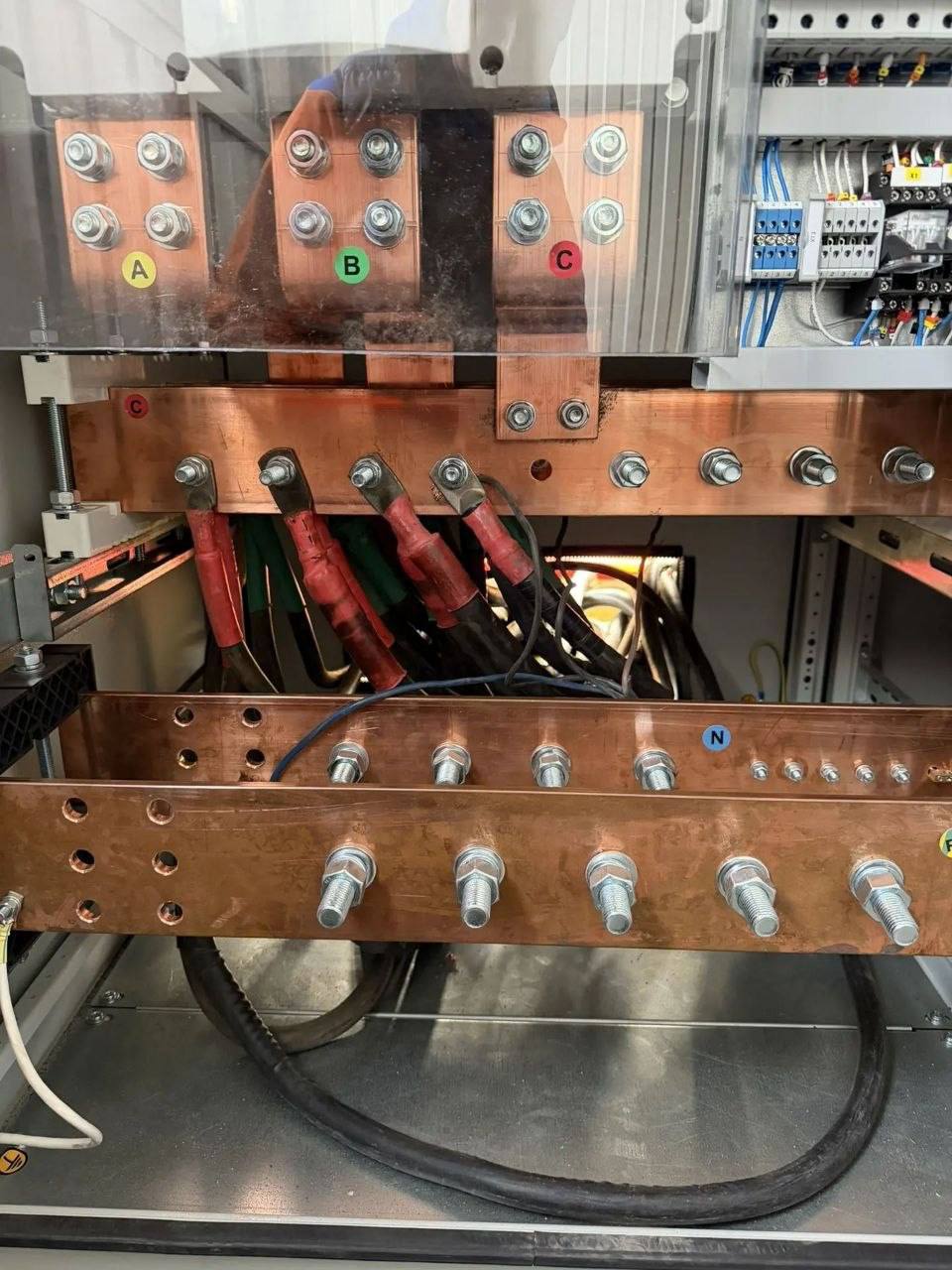 05.10.2026
Preparing to install the main cable that will connect the power supply to the key equipment of the complex
 02.10.2026
Lugovskoye: shut-off valve work on the steam generator completed; the Samara energy company is deploying to power the HTT Fleet
 29.09.2026
Lugovskoye: water shut-off operations at well 300
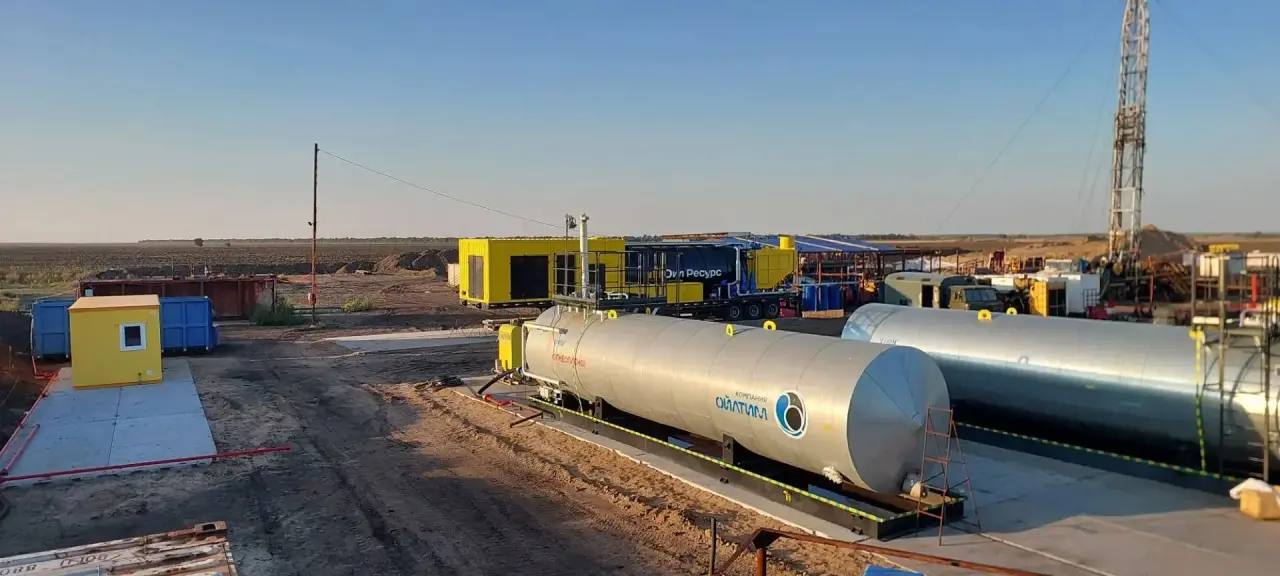 24.09.2026
Lugovskoye: assembling the process piping for the HTT complex
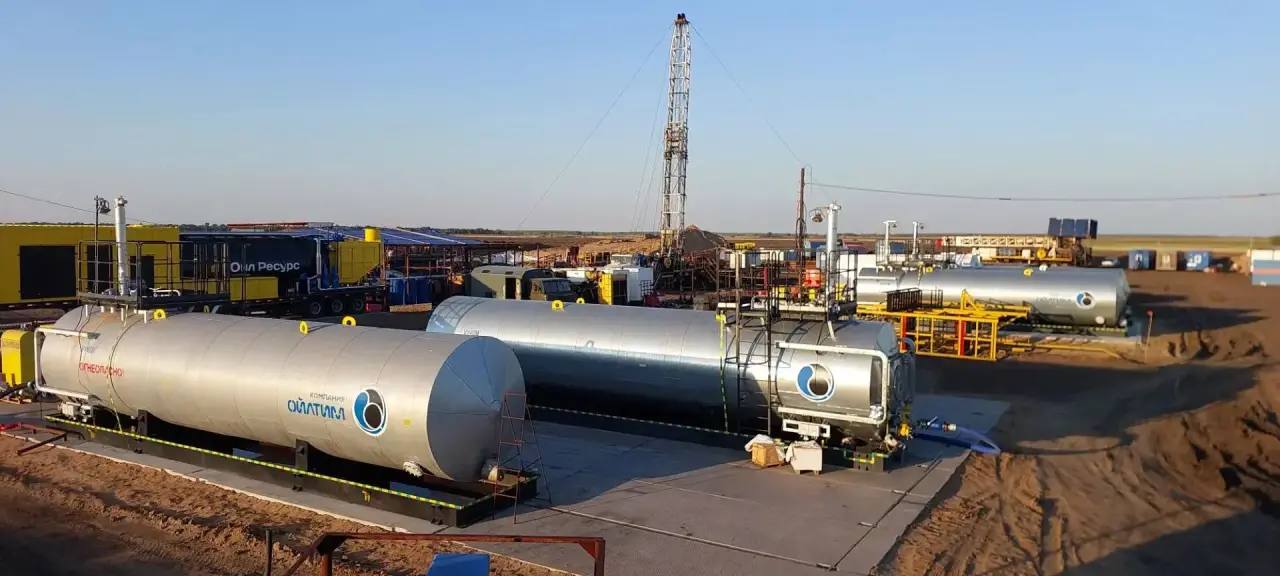 22.09.2026
Lugovskoye: skid-mounted pumping units installed for HTT
 18.09.2026
Installing and piping up the surface complex at the pilot site
 16.09.2026
Oil Resource at TNF-2026, the international industrial energy forum
 08.09.2026
Assembling the HTT Fleet: the tank farm at the pilot testing site
 18.08.2026
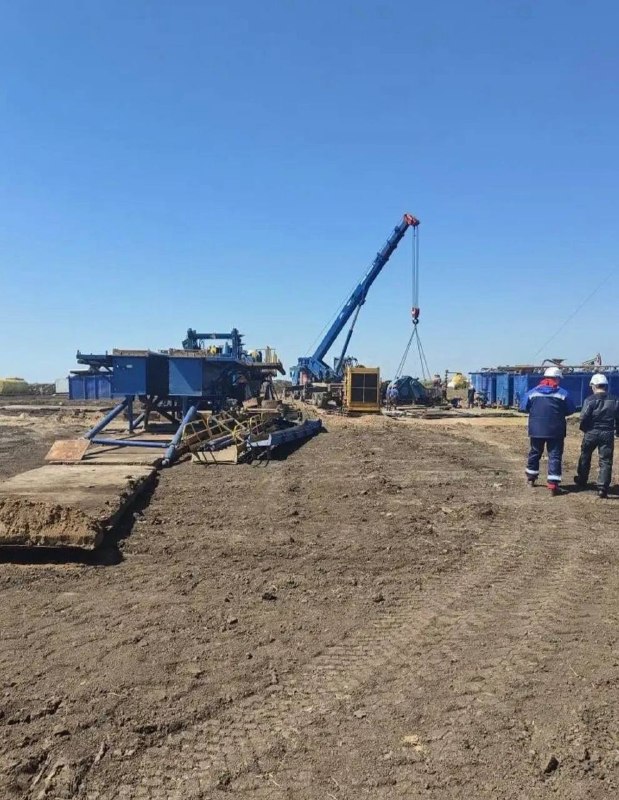
Lugovskoye: the site gears up for HTT testing
 10.08.2026
Preparations for the HTT pilot are running on schedule
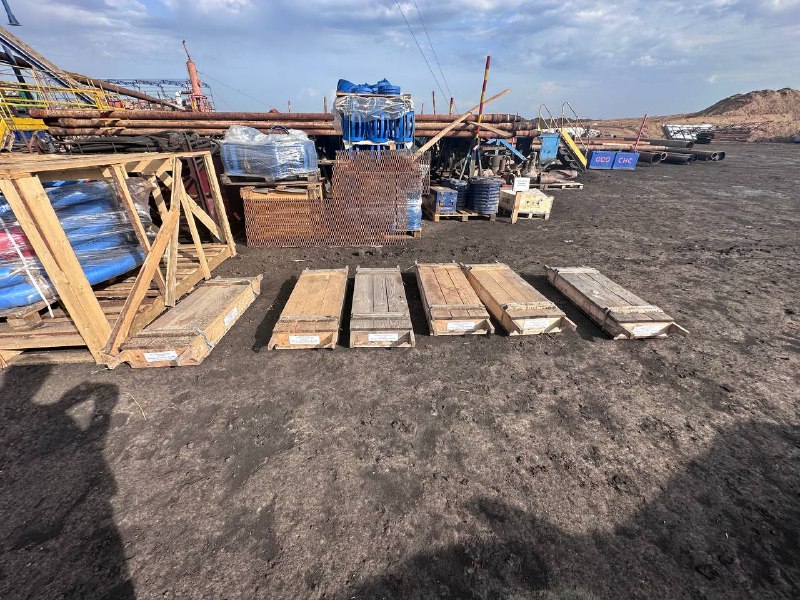 29.07.2026
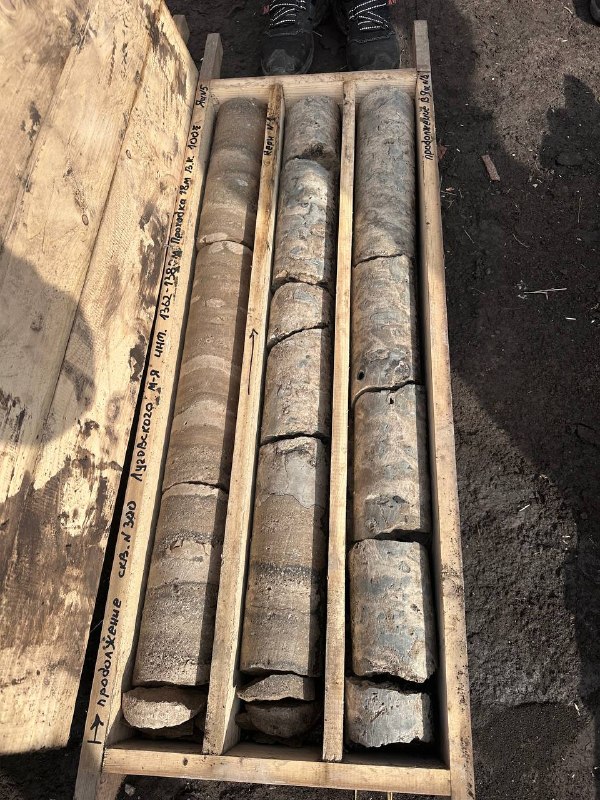
Core samples recovered at Lugovskoye and sent for laboratory analysis
 20.07.2026
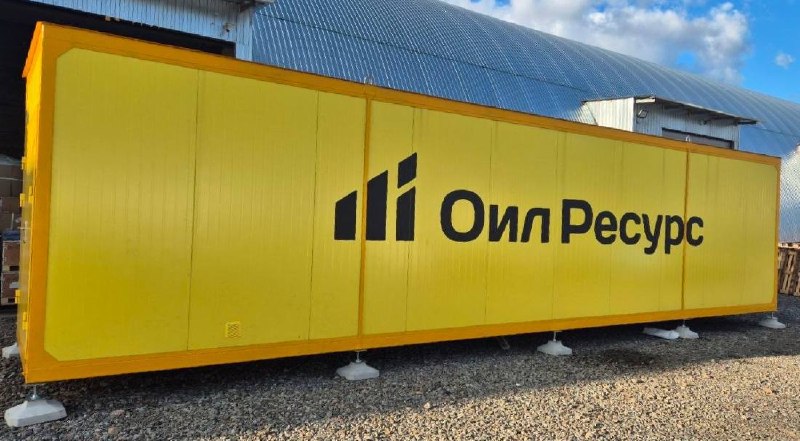
Building the infrastructure for the upcoming tests
 14.07.2026
Lugovskoye: equipment installation continues
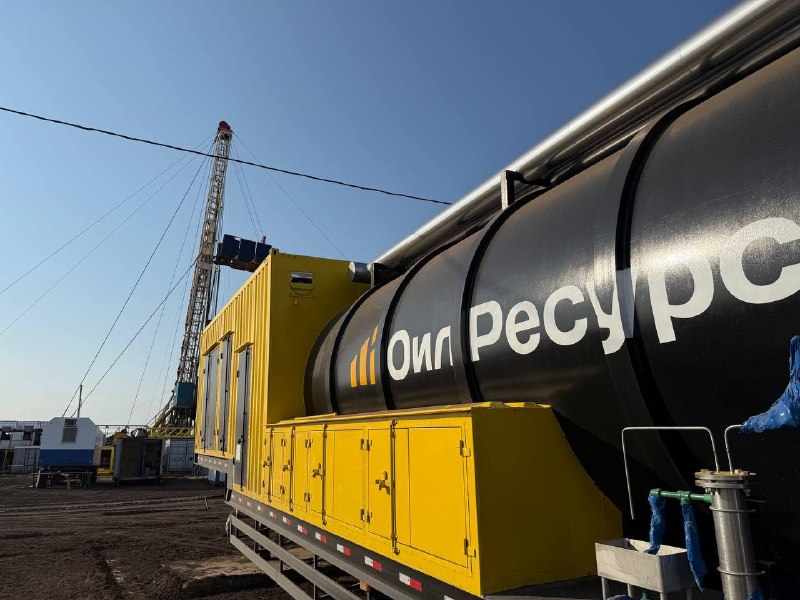 10.07.2026
HTT Fleet: fitting out the surface complex
 07.07.2026
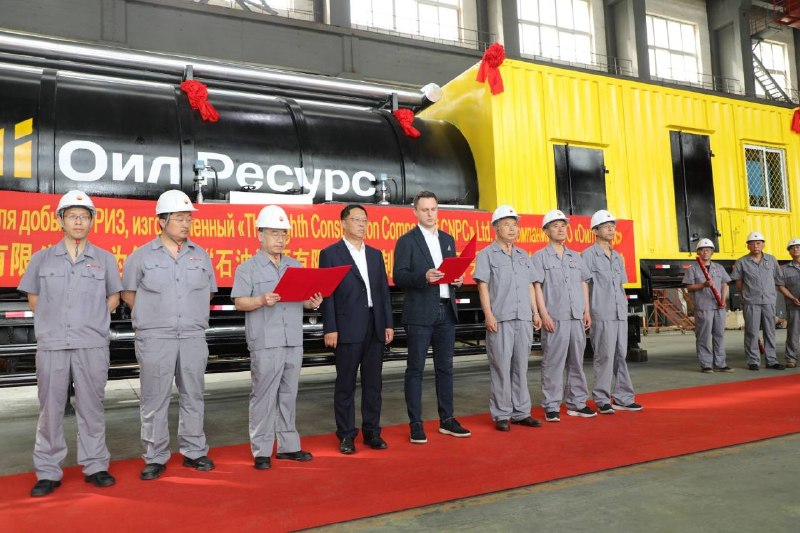
The HTT steam generator arrives at the Lugovskoye field
 15.06.2026
Fieldwork kicks off at Lugovskoye
 10.06.2026
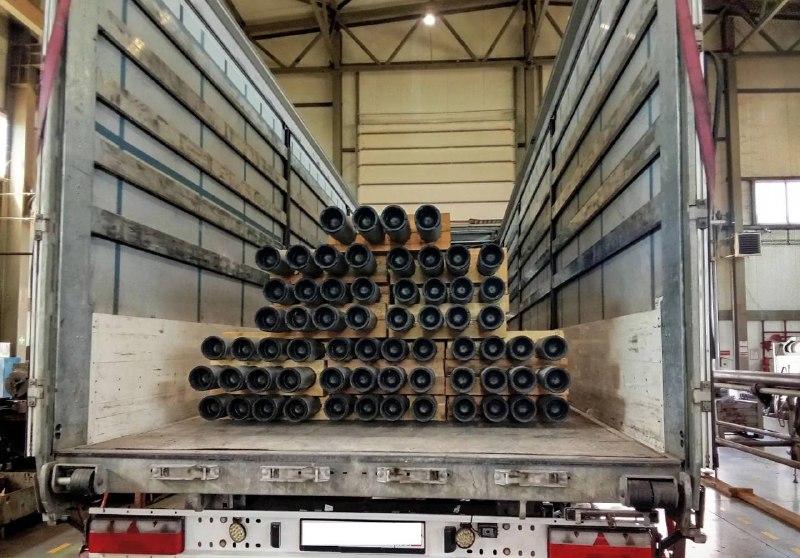
Key HTT equipment shipped to Russia
and 30–40 MPa — base working agent at the wellhead (Phase 1); Phase 2: 450–550 °C at 30–40 MPa; Phase 3: above 600 °C at up to 60 MPa
maximum incremental recovery for immature kerogen, based on reservoir simulation results
potential production uplift from hard-to-recover formations (per Skoltech and Kazan Federal University studies)
and 22.1 MPa — the point where water turns supercritical
Figures are potential values drawn from company estimates and public presentations; actual results depend on field geology.
Hydrothermal treatment technology (HTT) is a proprietary production technology developed by the Oil Resource S&T Center. It applies to hard-to-recover heavy-oil reserves as well as to fields holding medium and light oils, bitumen and kerogen-bearing deposits.
At its core is the injection of a high-temperature stimulation agent into the oil-bearing formation as a heat carrier — supercritical water (the base working agent is membrane-grade purified water; later pilot phases will add composite agents with gases and a catalyst). This delivers hydrothermal treatment (HTT) and achieves in-situ upgrading of heavy oil — an irreversible drop in viscosity and a shift of the oil composition toward lighter fractions — through in-situ high-temperature processes, including in-situ aquathermolysis of the heaviest fractions.
Through in-situ upgrading, HTT makes heavy-oil production viable where conventional methods fail.
The technology matches the HTR priorities of Russia’s Energy Strategy to 2050 (Annex 7, item 12); pilot field tests are being prepared at the Lugovskoye field, with commercial roll-out planned on the back of their results.
Glossary
Supercritical water (SCW)
A state in which water is held above its critical temperature and pressure (the critical point of water: 374 °C and 22.1 MPa). Beyond that point it becomes a supercritical fluid with no distinction between liquid and gas.
Subcritical water
The temperature and pressure range near water’s critical point, where its physical and chemical properties — density, solvency, dielectric permittivity, viscosity — change sharply, affecting heat and mass transfer and the course of in-situ processes.
Hydrothermal treatment (HTT)
A combined reservoir treatment: the thermal effect of a high-temperature agent plus the triggering of thermochemical reactions that transform oil components and/or drive their interaction with the water phase and the rock, raising oil mobility and/or recovery.
High-temperature stimulation agent
A displacement agent injected at temperatures far above reservoir temperature, heating the porous medium and triggering high-temperature processes; in HTT the agent is water in a subcritical and/or supercritical state.
In-situ high-temperature processes
The set of processes triggered by injecting a high-temperature agent: hydrothermal transformation of high-molecular oil components, redistribution of the fraction composition, breakdown of resin and asphaltene aggregates, plus the accompanying heat and mass transfer in the porous medium.
In-situ upgrading of heavy oil
Transforming oil right in the reservoir while it is being produced, to improve its properties — lower viscosity, less sulfur, fewer resins and asphaltenes — and thereby lift recovery and simplify transport and downstream refining.
Aquathermolysis of heavy oil
Thermocatalytic conversion of heavy hydrocarbon feedstock in water and steam at elevated temperatures (classically 200–300 °C; under HTT conditions, in sub- and supercritical water).
In-situ aquathermolysis
Thermochemical treatment of heavy oil under reservoir conditions in the presence of water and reservoir minerals, whose metals act as catalysts. A form of in-situ upgrading, it targets lower oil viscosity, transformed oil components and higher recovery.
Huff-and-puff method
A cyclic EOR method in which the same well alternates between injecting the working agent and producing oil.
The Challenge: Hard-to-Recover Reserves
Easy oil is running out: hard-to-recover reserves already make up about 60% of total reserves, and their share keeps growing.
Where Hard-to-Recover Reserves Lie
Natural bitumen, heavy oil and kerogen-bearing rock occur at depths from a few hundred meters down to 3,000 meters and beyond.
Government Backing
Work on the domestic hydrothermal treatment technology has been under way since 2022 and has been recognized at the level of the Russian Government.
“…a project to create an innovative hydrothermal treatment technology that has no equivalent anywhere in the world”
Alexander Novak, Deputy Prime Minister of Russia — article in Energy Policy magazine, February 2023
In the Deputy Prime Minister’s assessment, the technology will substantially raise hydrocarbon recovery at heavy-oil fields and open the Bazhenov, Domanik, Abalak, Khadum and Kuonamka formations to large-scale development — delivering not just import substitution but a genuine lead in HTR development.
Russia’s Energy Strategy to 2050 is a direct government call for HTR development technologies. HTT is Oil Resource’s answer to that call: the technology meets item 12 of Annex 7 to the Strategy — “Equipment and technologies for in-situ conversion, including kerogen transformation techniques and technologies”.
How It Works
HTT develops hard-to-recover heavy-oil reserves by pumping a high-temperature stimulation agent through a pattern of injection wells while — or after which — production is taken through the producing wells.
This achieves areal sweep of the inter-well space, building a stable high-temperature zone around the wellbore and between wells and triggering in-situ high-temperature processes.
Stimulation runs either as continuous injection or in cycles, combining injection of the high-temperature agent with regular waterflooding.
A huff-and-puff mode is also possible — a single-well injection-and-production cycle: the high-temperature agent is injected, the reservoir soaks at elevated temperature and pressure, production is then taken from the same well, and the cycle repeats.
What Happens in the Reservoir
Hydrothermal treatment sets off several parallel processes that together make the oil more mobile and easier to recover.
Aquathermolysis and Oil Generation from Kerogen
At around 350 ± 25 °C in an aqueous environment, thermal cracking and aquathermolysis run intensively, breaking long, heavy molecular chains into short, mobile ones.
The process replays the natural maturation of organic matter, which takes nature millions of years. Solid kerogen converts into liquid hydrocarbons — in effect, synthetic oil is generated right in the reservoir.
In the thermal field of supercritical water, kerogen-bearing rock matures into mobile oil — a process that takes nature millions of years.
Key Numbers
Values are drawn from company estimates and public presentations.
Technical Parameters
- Water’s critical point is 374 °C and 22.1 MPa; beyond it, water is supercritical
- Phase 1: 400–450 °C and 30–40 MPa at the wellhead
- Phase 2: 450–550 °C and 30–40 MPa
- Phase 3: above 600 °C and up to 60 MPa
- Intensive kerogen conversion and heavy-component cracking at around 350 ± 25 °C
- Composite working agents: supercritical water combined with a catalyst
Target Reservoirs
Pilot Program and Equipment
The pilot tests will run on a supercritical-water heat agent at 400 °C and 35 MPa.
Together with the Russian Ministry of Energy and its Fuel & Energy Competence Center, two industry documents are being drafted for the hydrothermal treatment fleet: the industry technical requirements (ITR) and the industry test procedure (ITP).





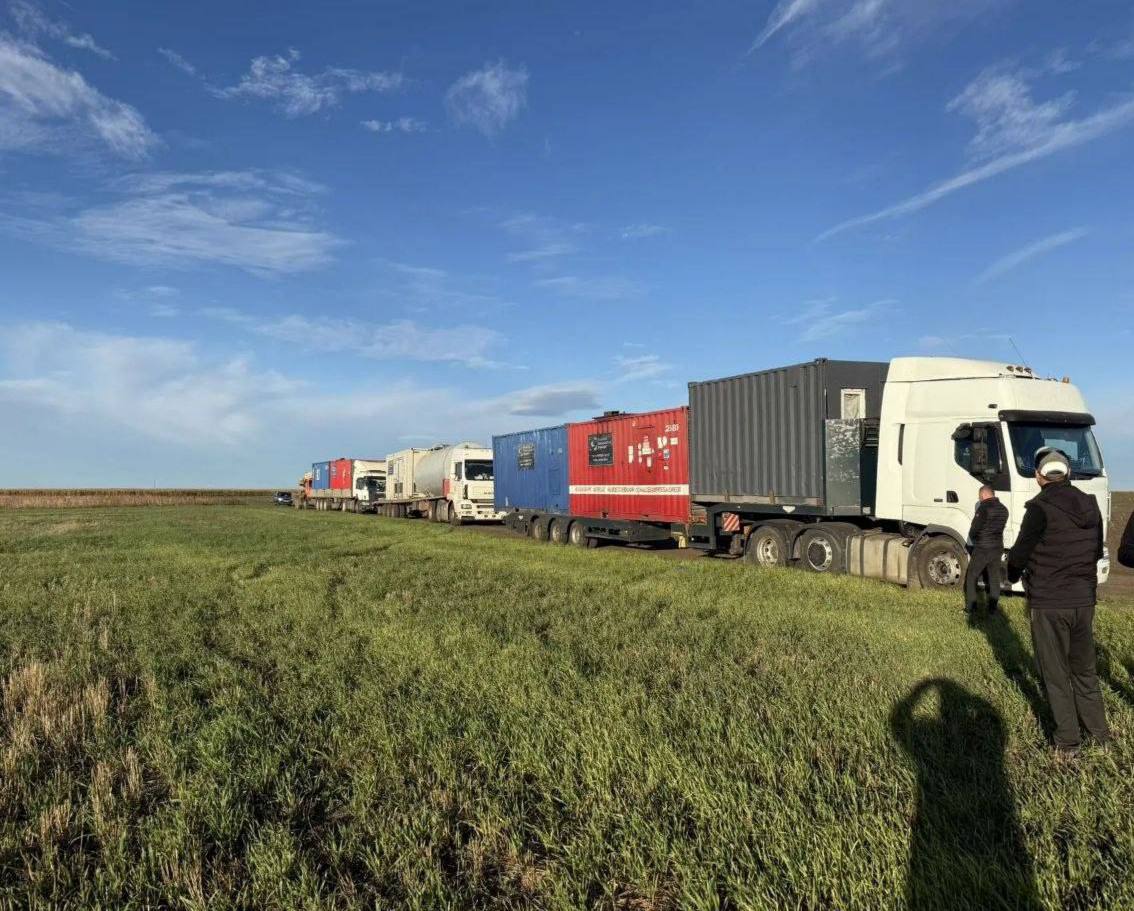


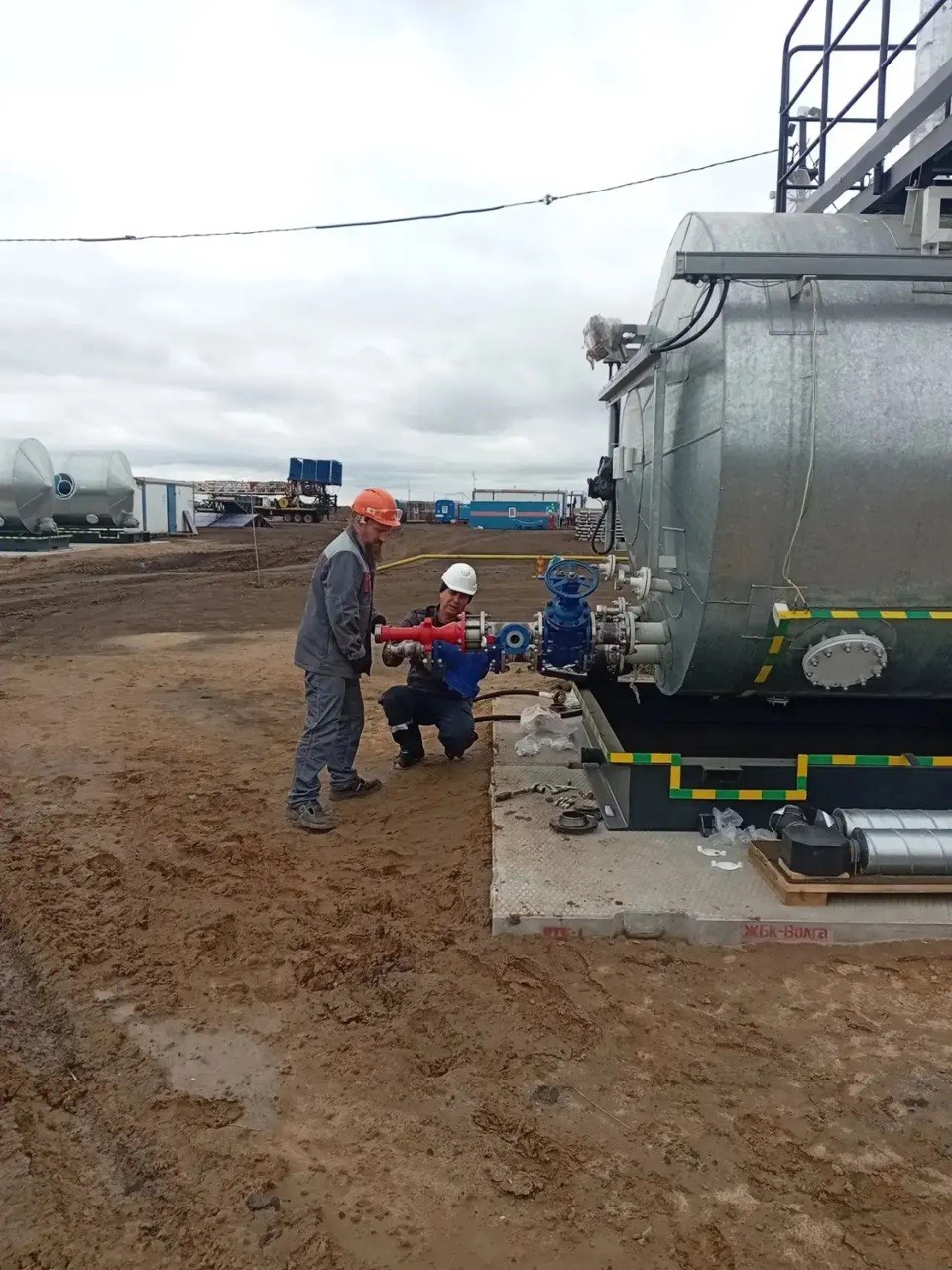


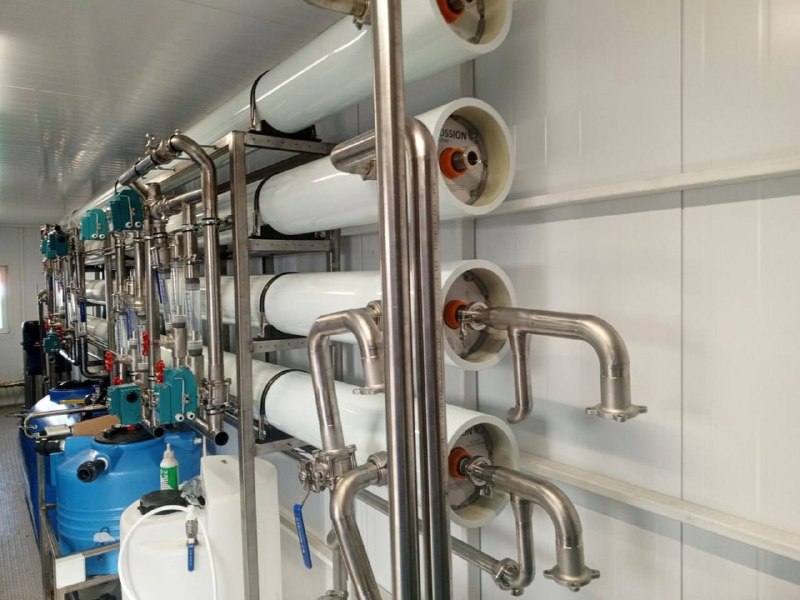
HTT Fleet: an Integrated Oilfield Service
The technology is delivered as a high-tech oilfield service: specialized surface and downhole equipment plus full-cycle engineering.
 Business line
HTT Fleet
Supercritical water at 400 °C and 35 MPa: a seven-system surface complex, heat-resistant downhole equipment and engineering — from target selection to measuring the stimulation effect.
Explore the service
The Testing Ground
The pilot testing ground is the Lugovskoye oil and gas field in the Saratov region — the group’s first producing asset of its own.
Lugovskoye is a mature field — a convenient place to tune the HTT complex’s operating regimes under real production conditions. The pilot well has been completed and the core recovered; installation of the surface and downhole equipment is scheduled, followed by commissioning. Representatives of Russian producers that use or are weighing thermal EOR will be invited to the tests.
Pilot Field Tests
- The pilot is prepared and run jointly with the Ministry of Energy’s Fuel & Energy Competence Center
- Stage one: confirming the HTT complex’s technical parameters
- Finding the optimal operating regimes under real field conditions
- Validating the mathematical models for roll-out across different field types
World Firsts
For the pilot, the HTT Fleet has been designed as a mobile unit; its configuration, operating regimes and injection parameters follow the industry technical requirements for a hydrothermal treatment fleet.
Equipment and Manufacturing
The HTT complex is a sophisticated engineering system; the supercritical water generator is only one of its elements.
Scientific Publications
The science behind the technology — aquathermolysis, supercritical aqueous fluids, catalytic heavy-oil upgrading — is documented in papers by partner research groups and S&T Center specialists in leading international and Russian journals.
- Kinetic modeling of oil shale upgrading at sub- and supercritical water conditions using Ni- and Fe-based oil-soluble catalysts / G. Félix, R. Djimasbe, M. A. Varfolomeev [et al.]The Journal of Supercritical Fluids. — 2024. — Vol. 207. — P. 106193. — DOI: 10.1016/j.supflu.2024.106193
- Kinetic studies of pyrolysis and aqueous pyrolysis of Bazhenov Formation kerogen in a closed system / A. S. Ilmensky, E. A. Leushina, V. V. Shirokova [et al.]Shale Science ’23. New Experience: proceedings of the 4th specialized workshop. — Moscow: EAGE Geomodel, 2023. — pp. 17–19.
- Evolution of reservoir properties of oil shale rocks under hydro-thermal treatment: Investigations from micro- to macro-scale / M. Subbotina, E. Mukhina, T. Karamov [et al.]Geoenergy Science and Engineering. — 2023. — Vol. 228. — P. 211972. — DOI: 10.1016/j.geoen.2023.211972
- Chemical, gas and thermal EOR for the Bazhenov Formation / A. N. Cheremisin, E. D. Mukhina, A. S. Ushakova [et al.]Neftegaz.RU business journal. — 2022. — No. 5–6 (125–126). — pp. 58–64.
- Oil dispersed nickel-based catalyst for catalytic upgrading of heavy oil using supercritical water / R. Djimasbe, M. A. Varfolomeev, A. A. Al-Muntaser [et al.]Fuel. — 2022. — Vol. 313. — Art. 122702. — DOI: 10.1016/j.fuel.2021.122702
- Cyclic subcritical water injection into Bazhenov oil shale: Geochemical and petrophysical properties evolution due to hydrothermal exposure / A. Turakhanov, A. Tsyshkova, E. Mukhina [et al.]Energies. — 2021. — Vol. 14, No. 15. — Art. 4570. — DOI: 10.3390/en14154570
- Enhanced Oil Recovery Method Selection for Shale Oil Based on Numerical Simulations / E. Mukhina, A. Cheremisin, L. Khakimova [et al.]ACS Omega. — 2021. — Vol. 6, No. 37. — P. 23731–23741. — DOI: 10.1021/acsomega.1c01779
K. Yu. Prochukhan is a co-author of every publication listed above.
What It Means for the Industry
The technology matches the HTR priorities of Russia’s Energy Strategy to 2050 (Annex 7, Section I, item 12 — “Equipment and technologies for in-situ conversion, including kerogen transformation techniques and technologies”) and opens up reserves that today sit undeveloped.
What It Means for the Country
Rolling out the technology drives demand for domestic equipment, services and research — and creates jobs across adjacent industries.
What It Means for the World
Hard-to-recover reserves exist on every continent — technologies for developing them are in demand worldwide.
Access to their own hard-to-recover reserves cuts regions’ dependence on imported energy — and hydrothermal treatment is what makes those reserves accessible.
Questions & Answers
The technology in brief — for readers meeting HTT for the first time.
What is hydrothermal treatment technology (HTT)?
HTT is a proprietary technology for producing hard-to-recover oil, developed by the Oil Resource S&T Center. A heat carrier — supercritical water (the base working agent is membrane-grade purified water) — is injected into the reservoir; the treatment lowers oil viscosity and triggers physical and chemical processes that make production viable where conventional methods fail. The technology matches the priorities of Russia’s Energy Strategy to 2050 (Annex 7, item 12).
What is supercritical water, and why does it work?
Above 374 °C and 22.1 MPa water turns supercritical, combining the properties of liquid and gas: it penetrates deep into the rock pores, carries heat efficiently and takes part in chemical reactions. That means the reservoir is not merely heated — the oil’s properties are changed in place.
Which reserves is the technology for?
The targets are kerogen-bearing rocks (the Bazhenov, Domanik, Abalak and Khadum formations), heavy oils and natural bitumen, plus the oil rims of depleted gas fields. Such hard-to-recover reserves make up about 60% of total reserves.
How does HTT differ from conventional steam injection?
Classic thermal methods use steam at up to roughly 280–350 °C and mostly just thin the oil with heat. HTT’s base working agent goes in above 374 °C: on top of heating, aquathermolysis and kerogen conversion kick in — heavy molecules crack, and synthetic oil is generated right in the reservoir.
Where is the technology being tested?
Pilot field tests are being prepared at the Lugovskoye oil and gas field in the Saratov region — the group’s own producing asset — jointly with the Ministry of Energy’s Fuel & Energy Competence Center.
How much does HTT lift recovery?
Reservoir simulation puts incremental recovery at up to 60% for immature kerogen, 50% for bitumen, 30% for heavy oil and 20% for medium and light oil, depending on the target. Actual results depend on the geology of each specific field.
How is the technology applied in practice?
For field deployment the company has built the HTT Fleet — an integrated oilfield service: a mobile package of surface and downhole equipment plus full-cycle engineering, from target selection to measuring the stimulation effect.