
HTT Fleet: an Integrated Oilfield Service
 07.10.2026
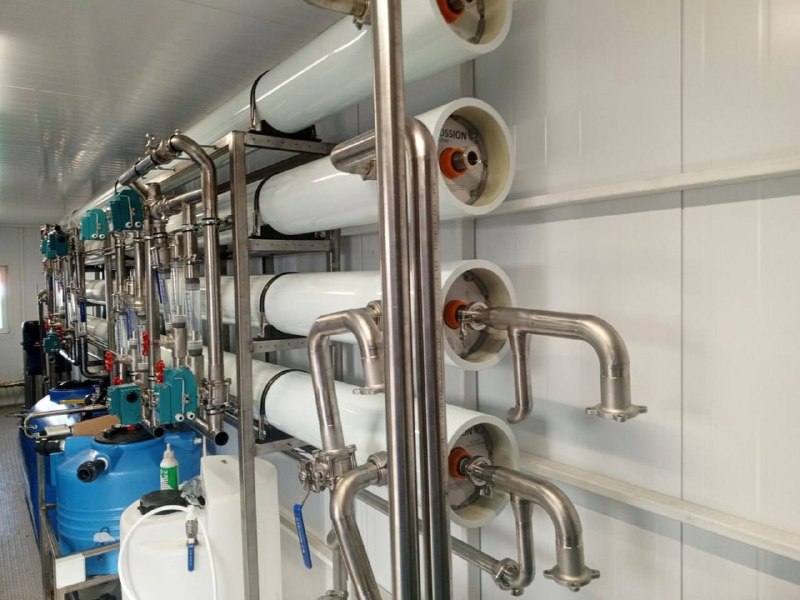
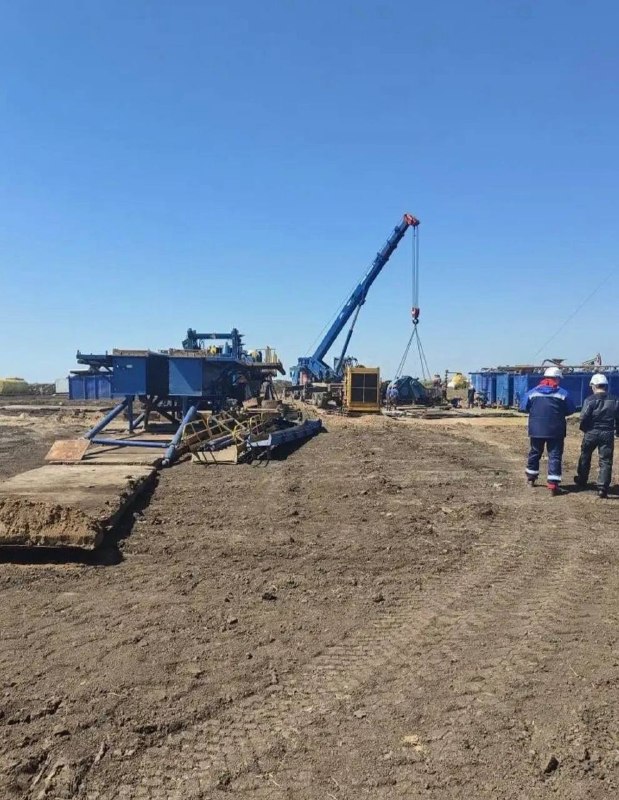
Lugovskoye field: water supply work for the HTT complex
 06.10.2026
Lugovskoye field: the generator has been connected to the power supply
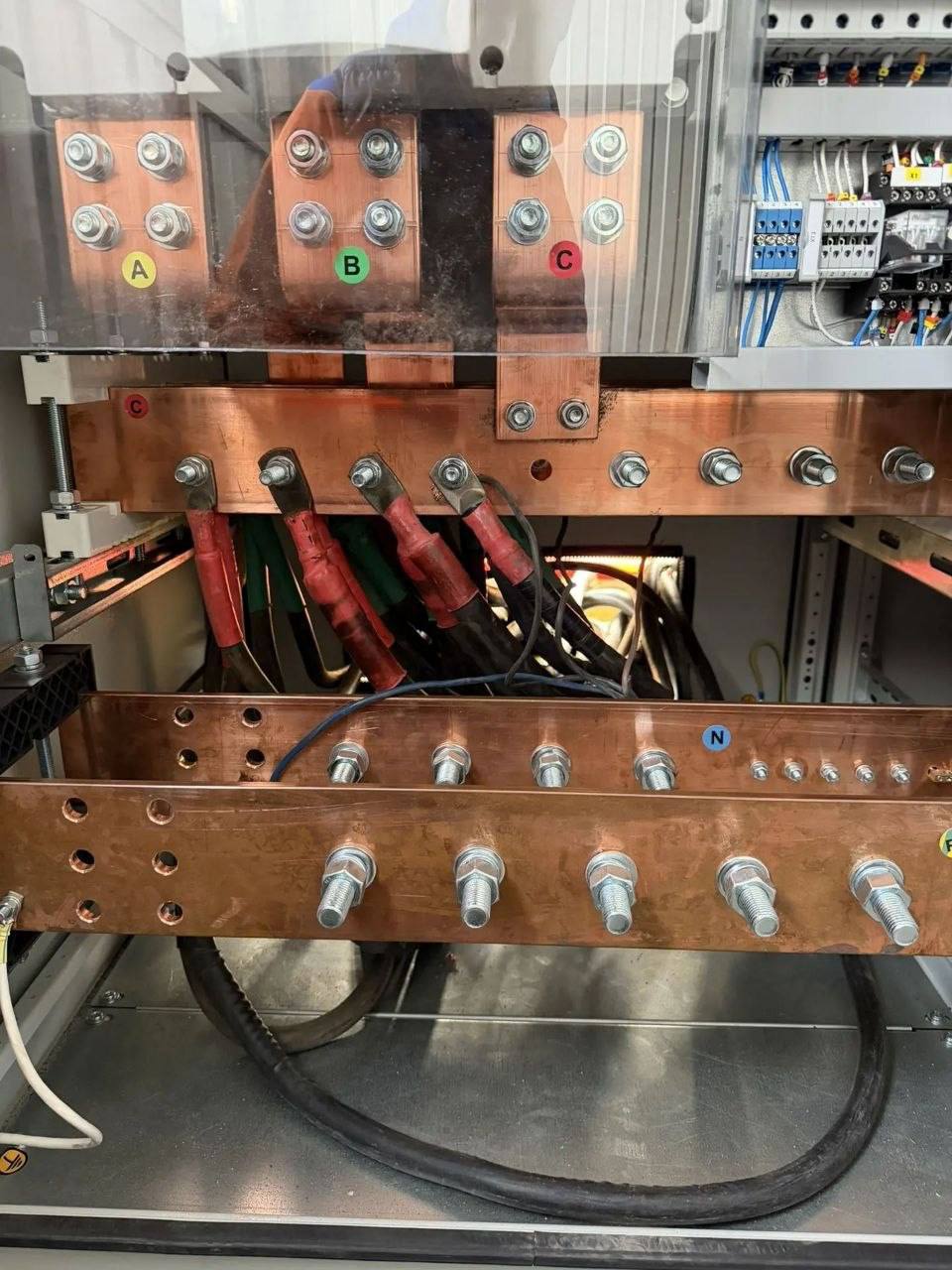 05.10.2026
Preparing to install the main cable that will connect the power supply to the key equipment of the complex
 02.10.2026
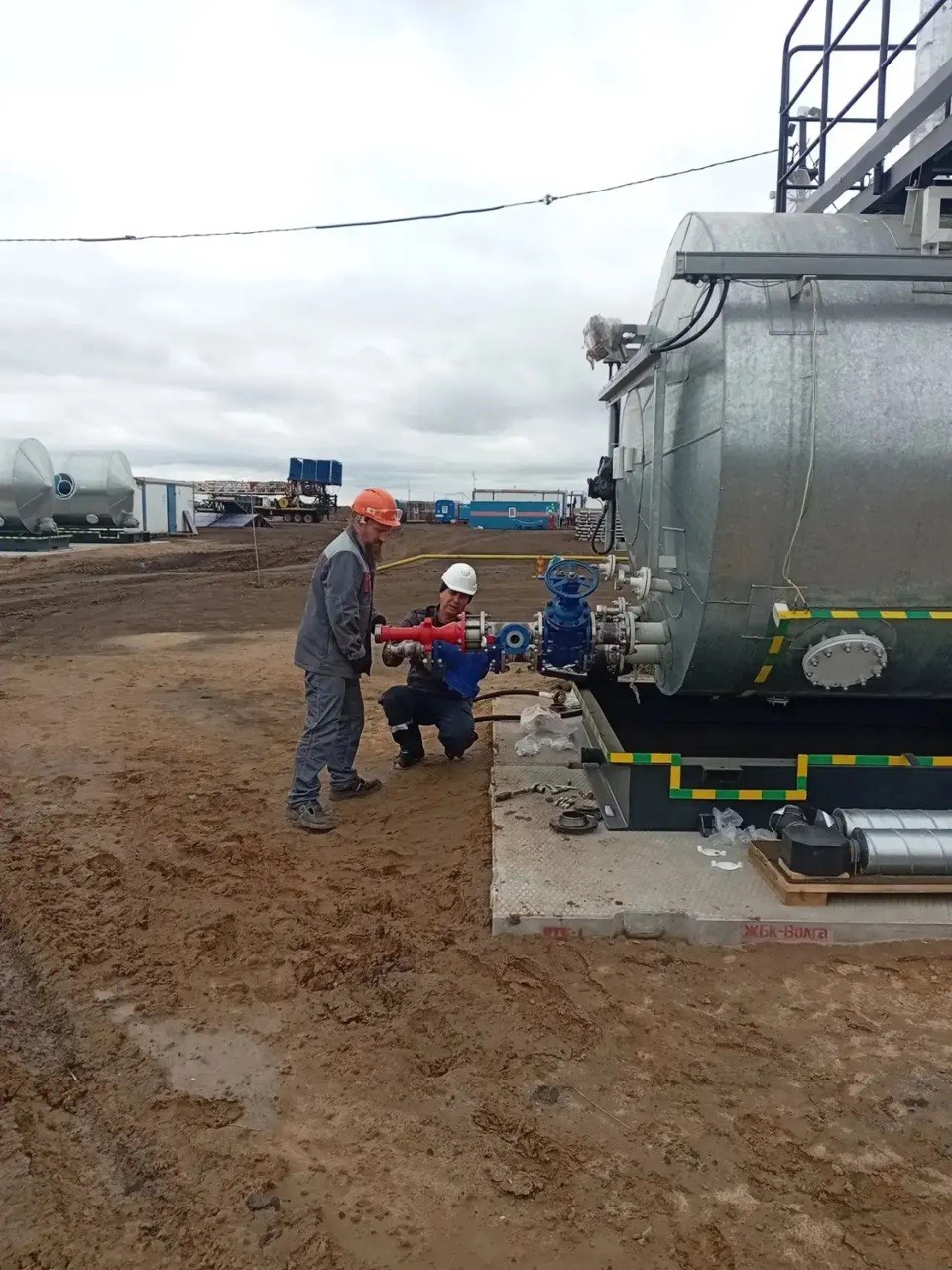
Lugovskoye: shut-off valve work on the steam generator completed; the Samara energy company is deploying to power the HTT Fleet
 29.09.2026
Lugovskoye: water shut-off operations at well 300
 24.09.2026
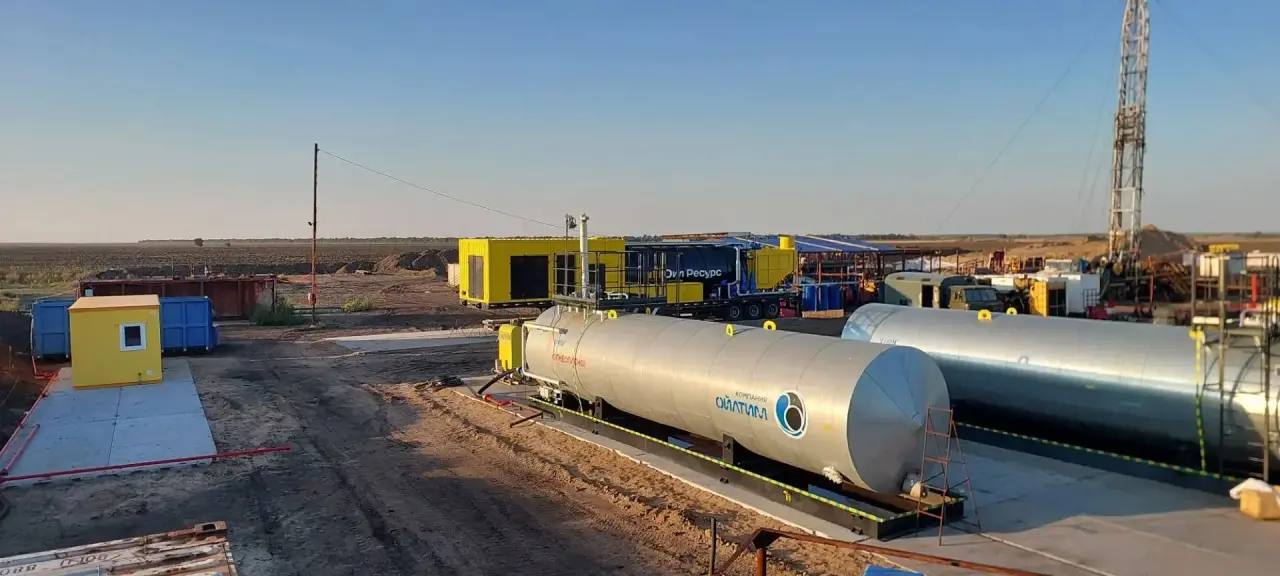
Lugovskoye: assembling the process piping for the HTT complex
 22.09.2026
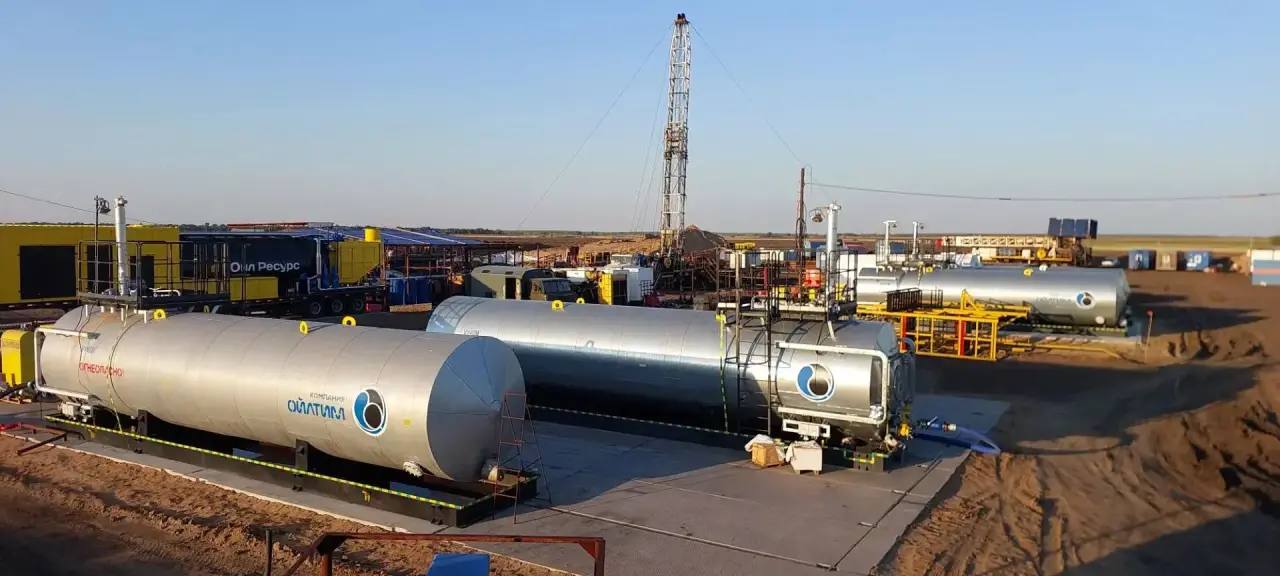
Lugovskoye: skid-mounted pumping units installed for HTT
 18.09.2026
Installing and piping up the surface complex at the pilot site
 16.09.2026
Oil Resource at TNF-2026, the international industrial energy forum
 08.09.2026
Assembling the HTT Fleet: the tank farm at the pilot testing site
 18.08.2026
Lugovskoye: the site gears up for HTT testing
 10.08.2026
Preparations for the HTT pilot are running on schedule
 29.07.2026
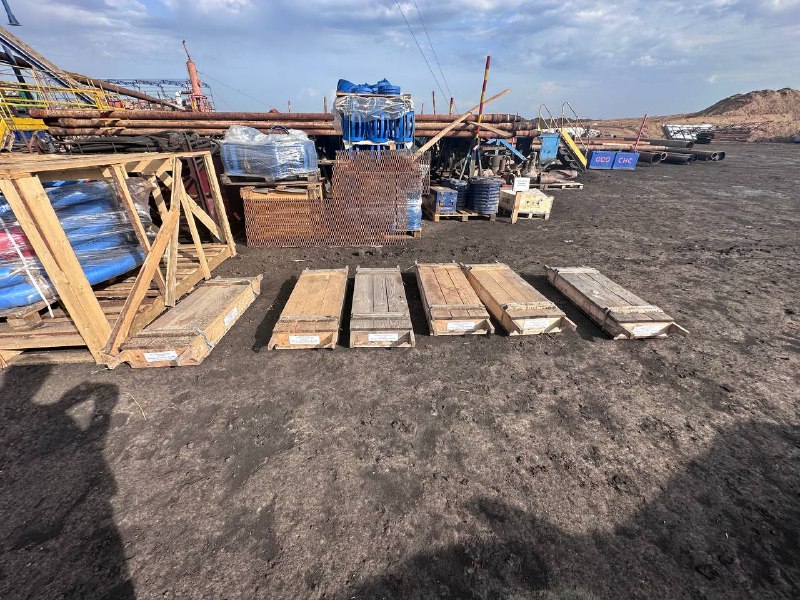
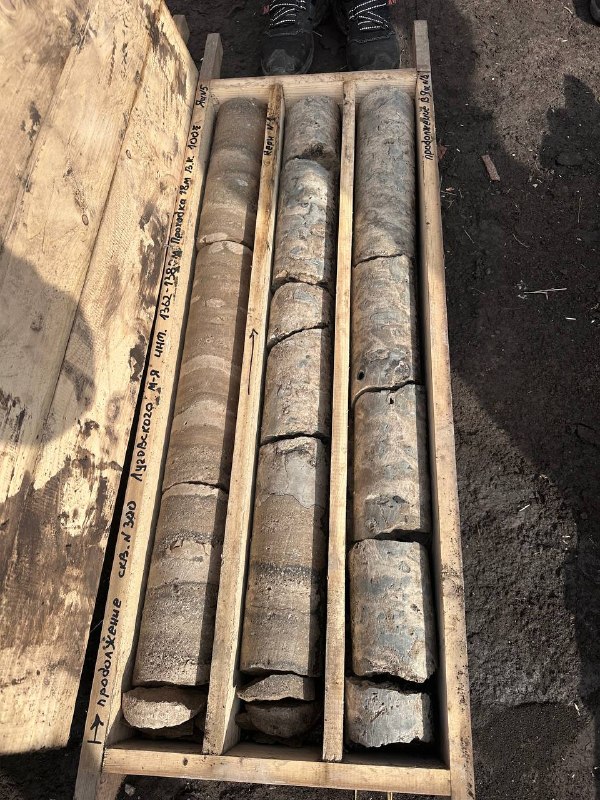
Core samples recovered at Lugovskoye and sent for laboratory analysis
 20.07.2026
Building the infrastructure for the upcoming tests
 14.07.2026
Lugovskoye: equipment installation continues
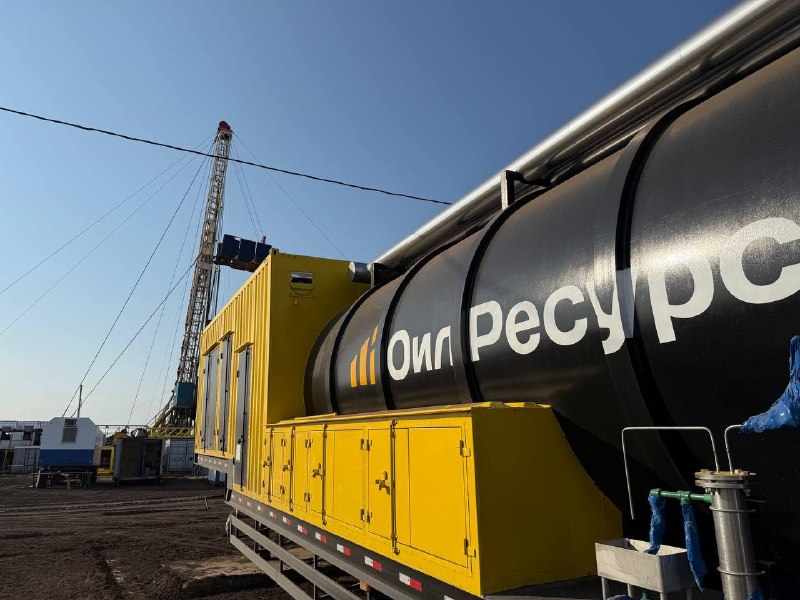 10.07.2026
HTT Fleet: fitting out the surface complex
 07.07.2026
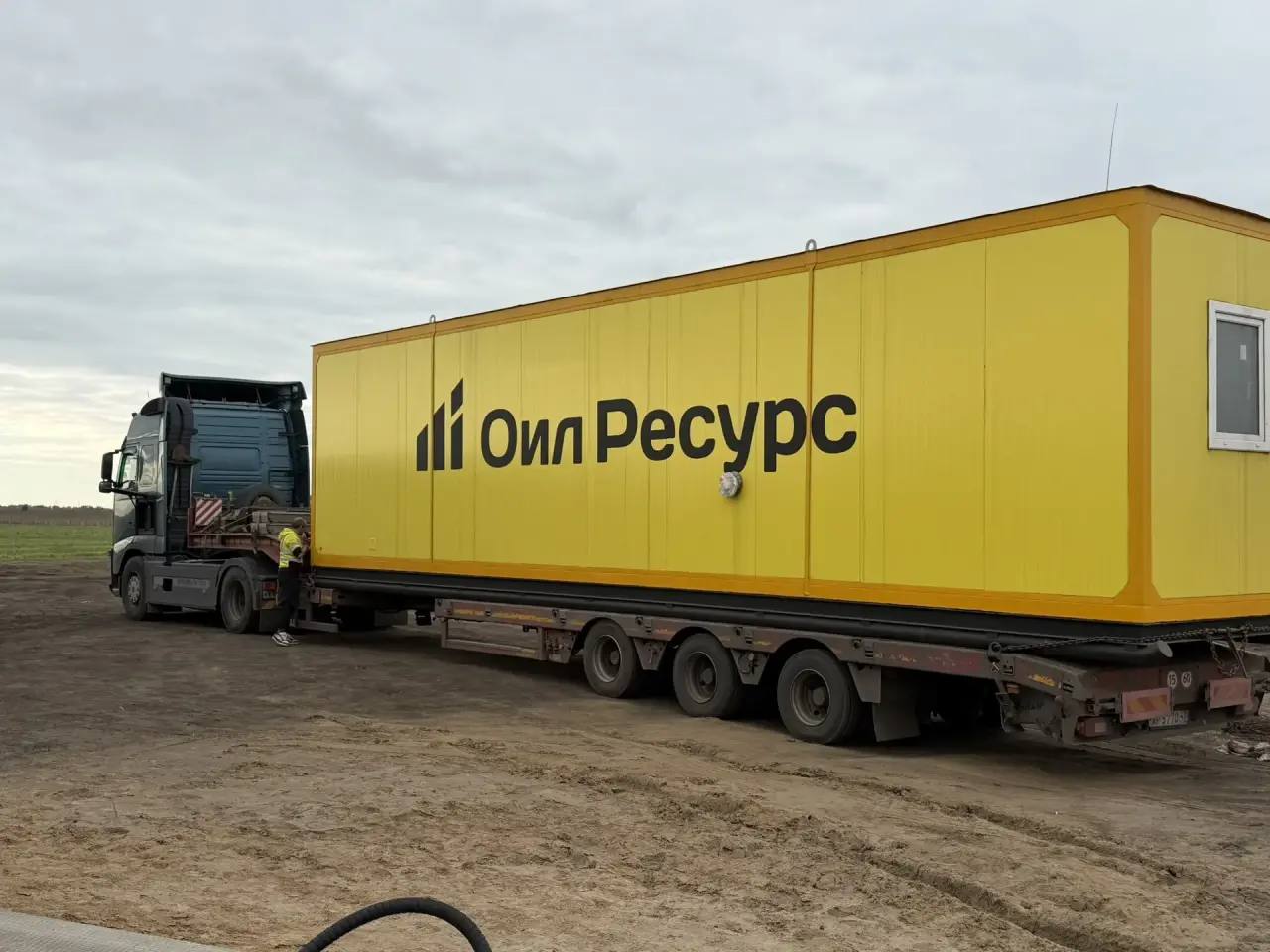
The HTT steam generator arrives at the Lugovskoye field
 15.06.2026
Fieldwork kicks off at Lugovskoye
 10.06.2026
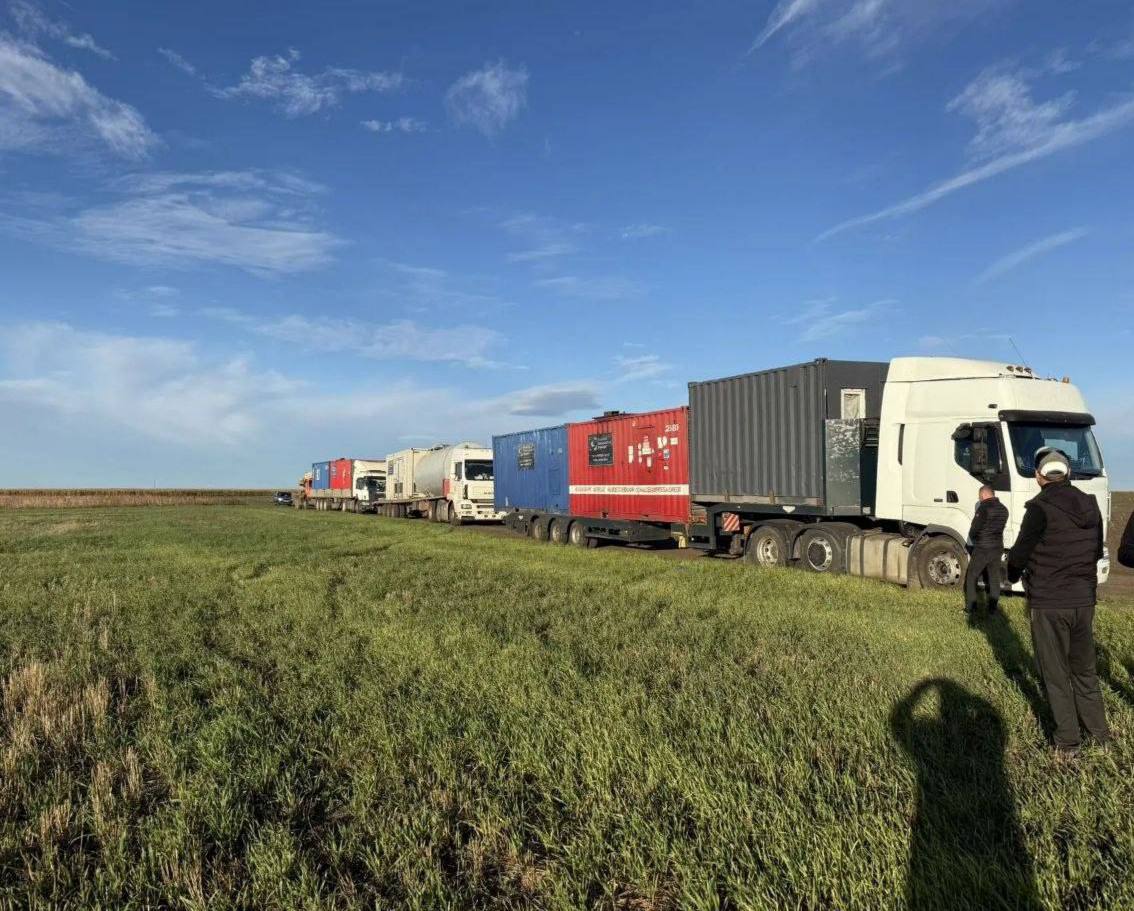
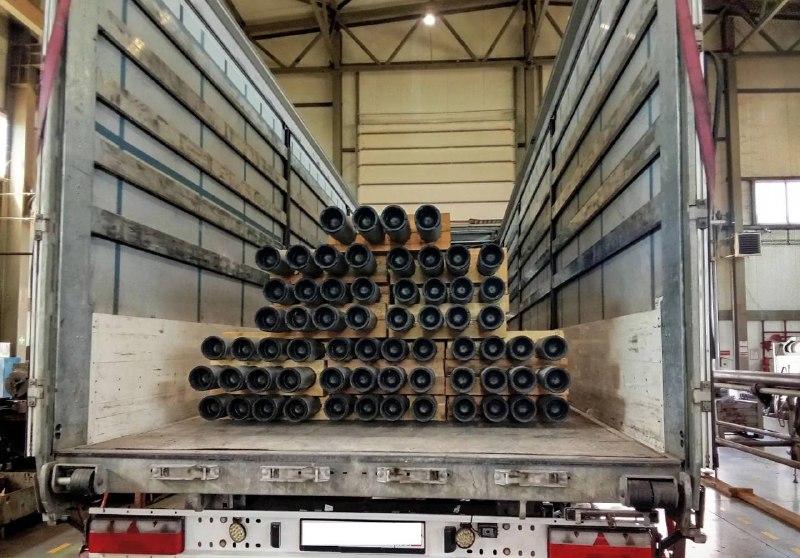
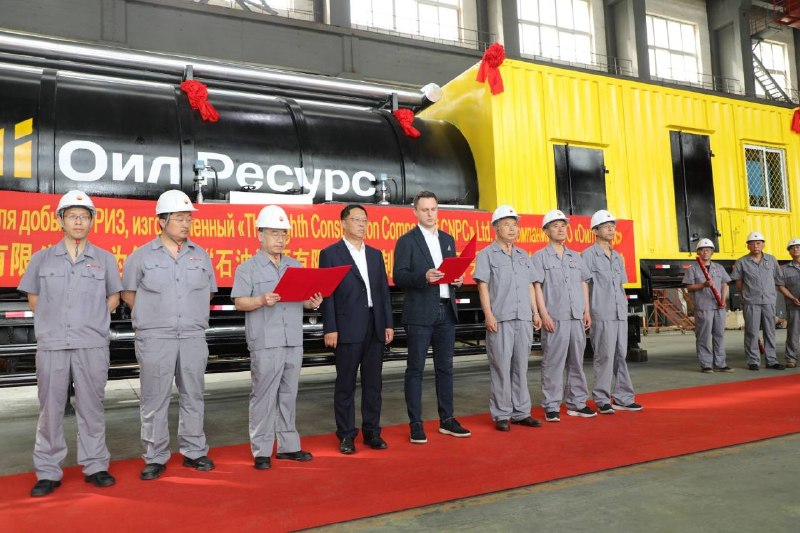
Key HTT equipment shipped to Russia
and 30–40 MPa — base working agent at the wellhead (Phase 1); Phase 2: 450–550 °C at 30–40 MPa; Phase 3: above 600 °C at up to 60 MPa
maximum incremental recovery for immature kerogen, based on reservoir simulation results
potential production uplift from hard-to-recover formations (per Skoltech and Kazan Federal University studies)
and 22.1 MPa — the point where water turns supercritical
Figures are based on company data; stimulation regimes are tailored to the geology and physics of each target.
The HTT Fleet is a high-tech integrated oilfield service for hydrothermal treatment of oil-bearing formations. The heat agent is supercritical water at up to 400 °C at the wellhead and up to 35 MPa. The goal: a higher oil recovery factor, achieved by bringing hard-to-recover heavy oil and kerogen-bearing targets into production.
The Fleet combines specialized surface and downhole equipment with integrated engineering expertise: selecting the optimal target, setting the stimulation regimes and providing operational support at the producer’s wells.
The Fleet’s configuration, operating regimes and injection parameters follow the industry technical requirements for a hydrothermal treatment fleet for enhanced oil recovery.
Together with the Russian Ministry of Energy and its Fuel & Energy Competence Center, two industry documents are being drafted for the hydrothermal treatment fleet: the industry technical requirements (ITR) and the industry test procedure (ITP).








Full-Cycle Engineering
The service covers planning input, justification and execution — from target selection to measuring the stimulation effect.
Surface Complex
- Supercritical water generator (SCWG) — a mobile unit that produces supercritical water and feeds it into the well
- Fuel supply system — feeds the SCWG burner block with crude oil, propane-butane fraction, associated or natural gas
- Power supply system — electricity for the Fleet’s consumer units
- Water supply system — water storage and treatment, permeate feed to the SCWG
- Piping system — an insulated heat-carrier line from the SCWG to the wellhead Christmas tree
- Heat-resistant Christmas tree — seals the wellhead and manages flows; an insulating insert shields the casing head from heat
- Control room — automation cabinet, operator workstation and low-voltage switchgear
Downhole Complex
- Insulated tubing — delivers the heat agent to the bottomhole with minimal heat loss
- Thermal expansion joints (“telescopes”) — absorb thermal elongation of the tubing string (up to ~10 m)
- Heat-resistant packers — seal off the stimulation intervals in the well
Where It Applies
Heavy-oil fields, kerogen-bearing targets and mature, watered-out medium and light oil deposits — at every stage of development.
Key Features
The Fleet is built as a mobile unit, and its working-agent parameters go far beyond current field practice.
Questions & Answers
The service in brief — what’s included, where it applies, how the process is controlled.
What is the HTT Fleet?
The HTT Fleet is Oil Resource’s integrated oilfield service for hydrothermal treatment of oil-bearing formations. The heat agent is supercritical water at up to 400 °C at the wellhead and up to 35 MPa; the goal is a higher recovery factor on hard-to-recover reserves. Work on higher parameters is under way: Phase 2 targets 450–550 °C at 30–40 MPa, Phase 3 — above 600 °C at up to 60 MPa.
What makes up the Fleet?
A seven-system surface complex: the supercritical water generator, fuel, power and water supply systems, piping, a heat-resistant Christmas tree and a control room. A heat-resistant downhole package: insulated tubing, thermal expansion joints and packers. Plus full-cycle engineering.
Does it need a specially built well?
The pilot will assess injecting the heat carrier into a well of standard, non-thermal design — relying on specialized equipment and the company’s own engineering solutions.
Where can the service be used?
At heavy-oil fields and kerogen-bearing targets at every stage of development, including high water cut and heterogeneous reservoirs.
How are stimulation regimes set and controlled?
The regimes — cyclic or continuous injection, temperature, pressure, rate and stage duration — are calculated for each target’s geology and physics. The process is instrumented: bottomhole temperature diagnostics plus monitoring of the heat carrier’s spread through the reservoir from field data.
How does the HTT Fleet differ from existing thermal fleets?
In parameters and packaging: the working agent is supercritical water at 400 °C, whereas Russian practice has traditionally relied on superheated steam at no more than 250–350 °C. The complex is mobile and works through wells of standard design.
The Technology Behind the Service
The Fleet runs on the hydrothermal treatment technology developed by the Oil Resource S&T Center.
 Developed by the Oil Resource S&T Center
Hydrothermal Treatment Technology
The hard-to-recover challenge, how the technology works, testing at Lugovskoye and the scientific publications — all on the technology page.
Explore HTT