
Science & Technology Center
 07.10.2026


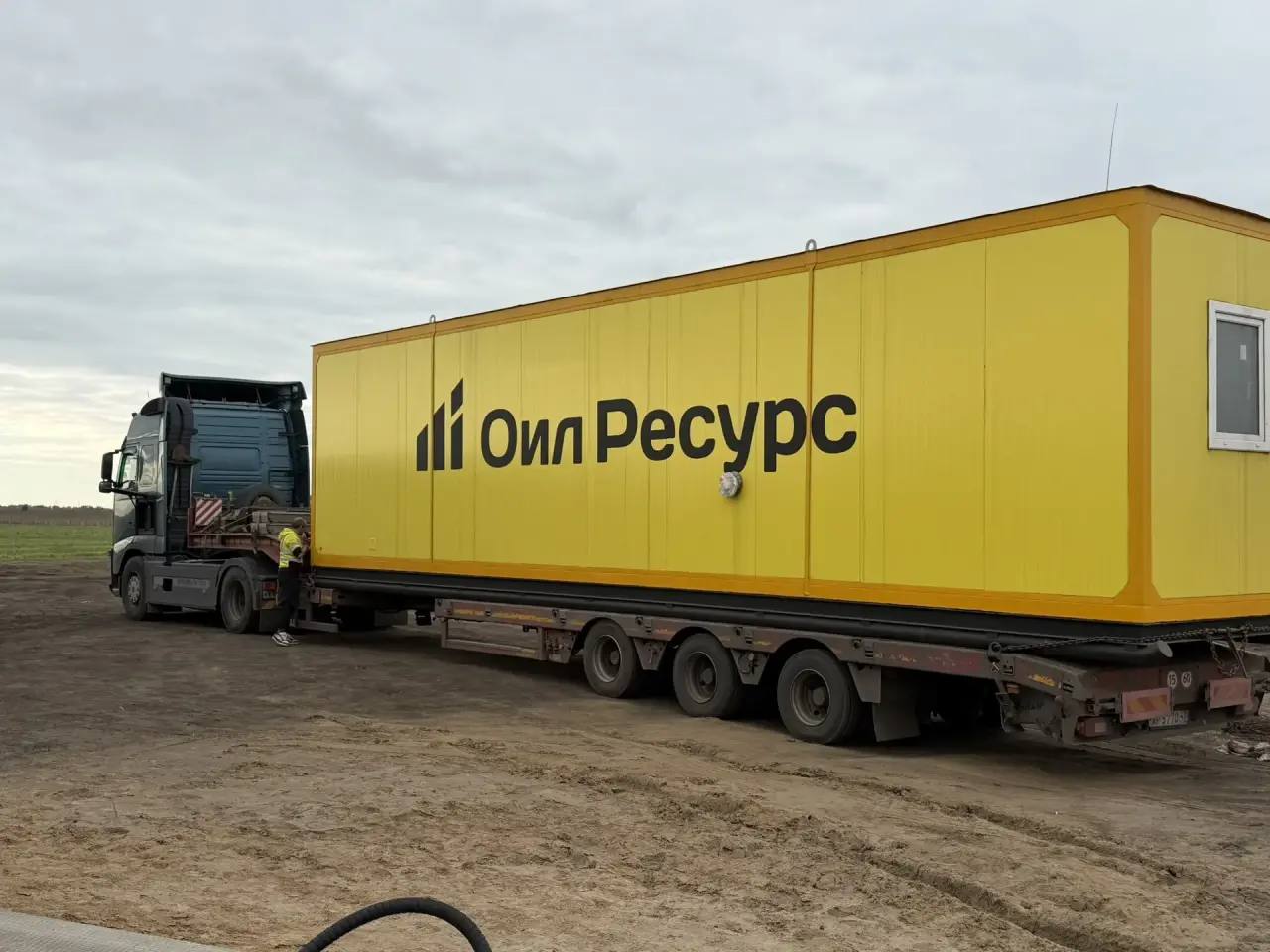


Lugovskoye field: water supply work for the HTT complex
 06.10.2026


Lugovskoye field: the generator has been connected to the power supply
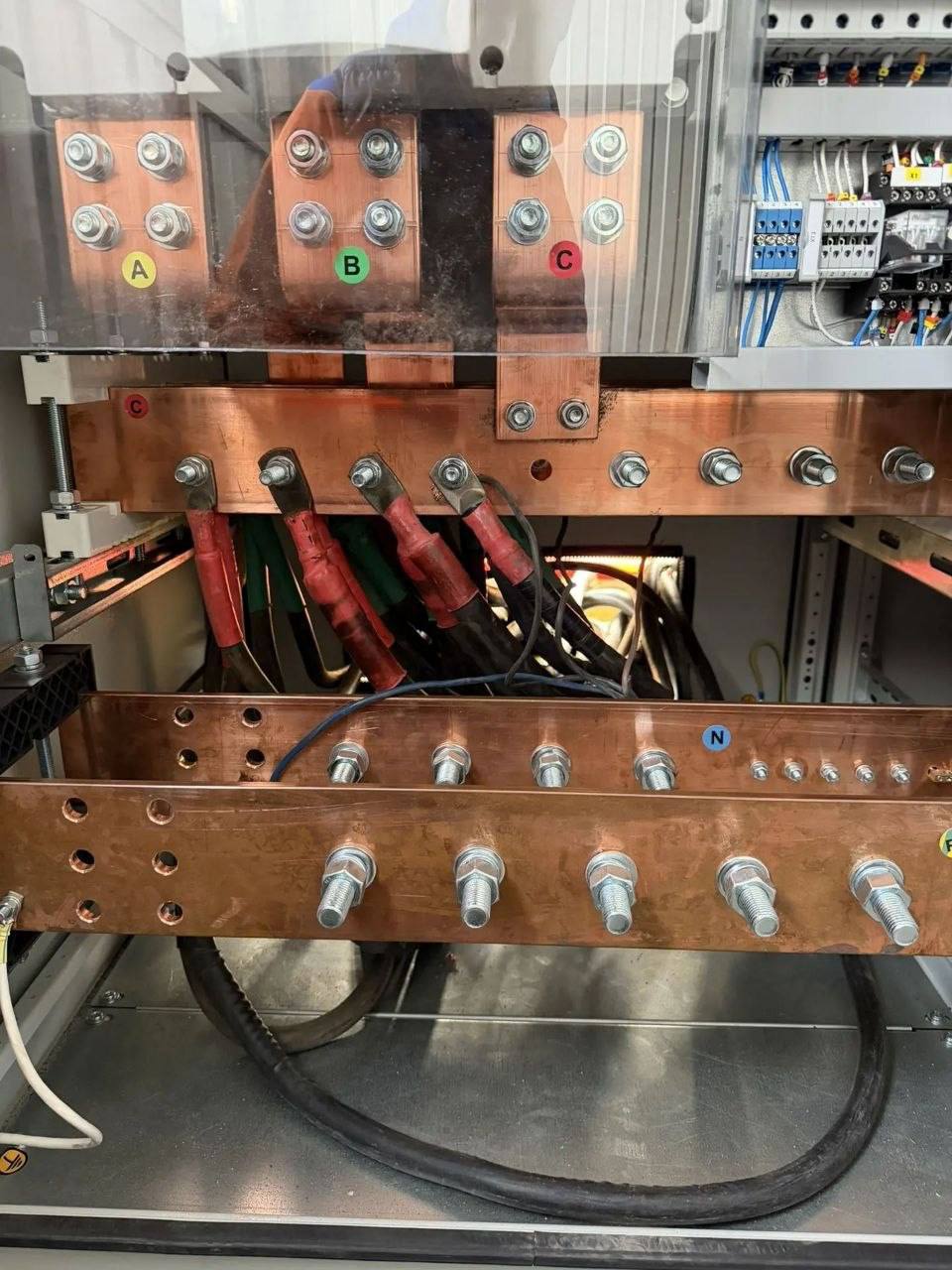 05.10.2026
Preparing to install the main cable that will connect the power supply to the key equipment of the complex
 02.10.2026


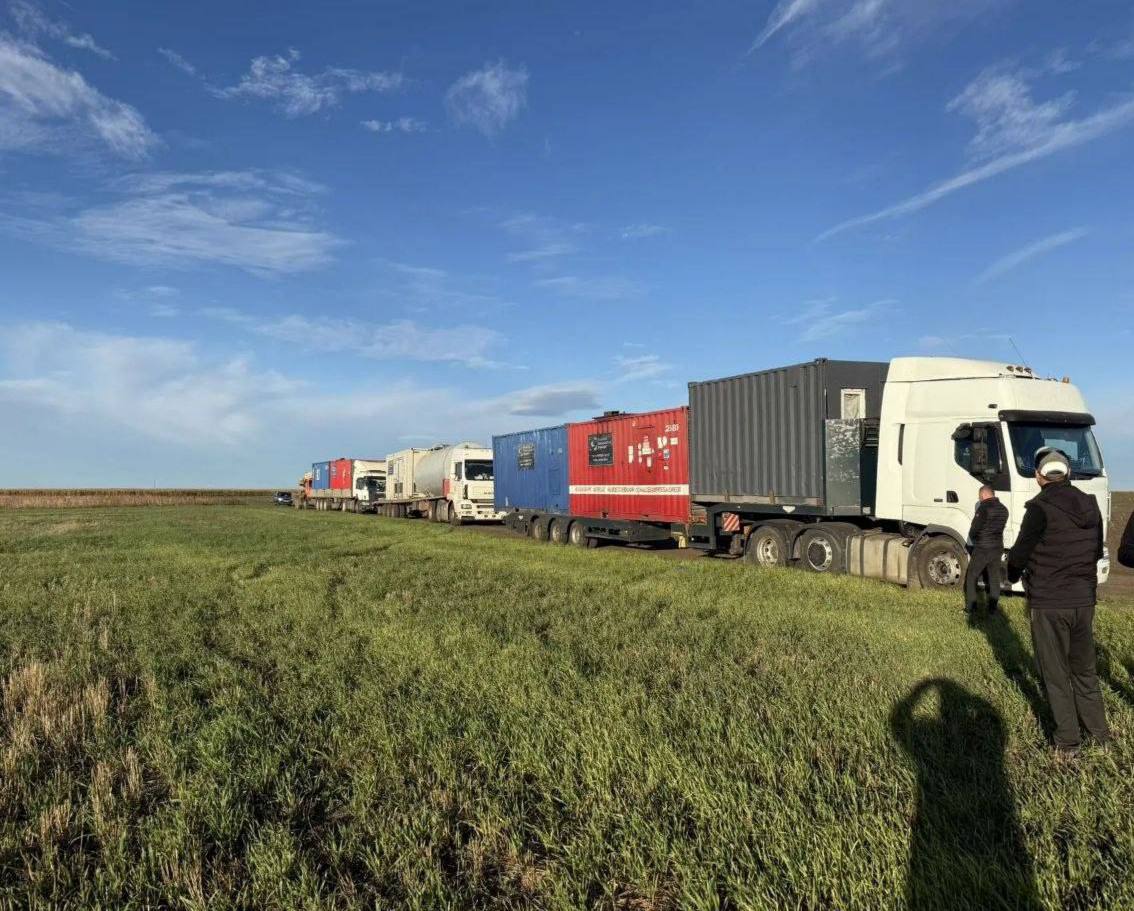

Lugovskoye: shut-off valve work on the steam generator completed; the Samara energy company is deploying to power the HTT Fleet
 29.09.2026

Lugovskoye: water shut-off operations at well 300
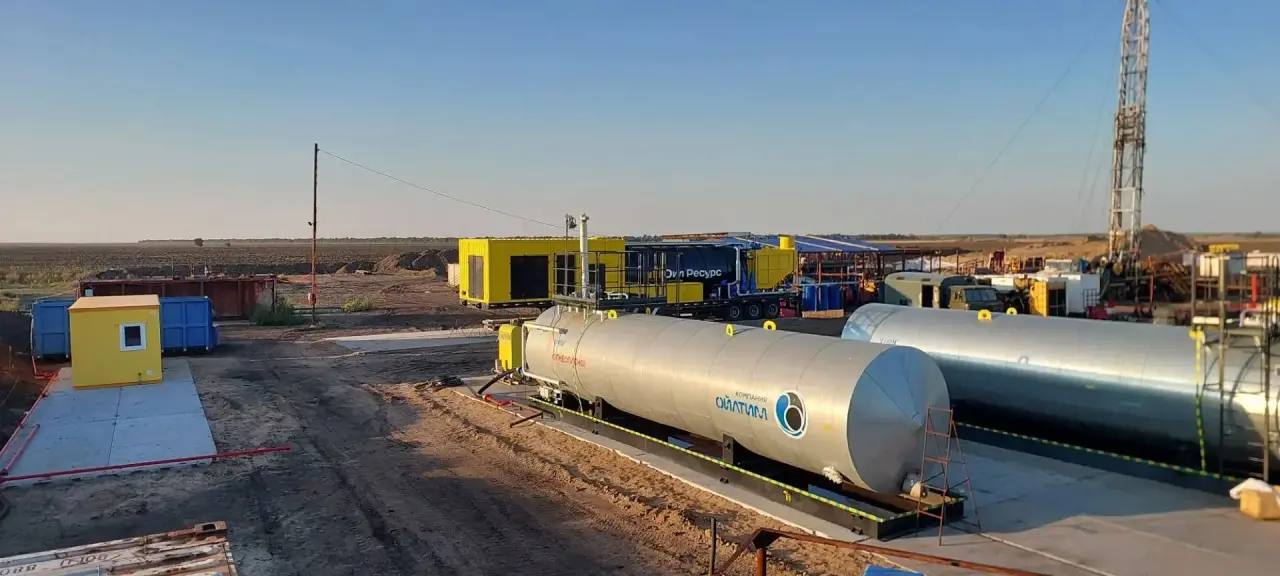 24.09.2026


Lugovskoye: assembling the process piping for the HTT complex
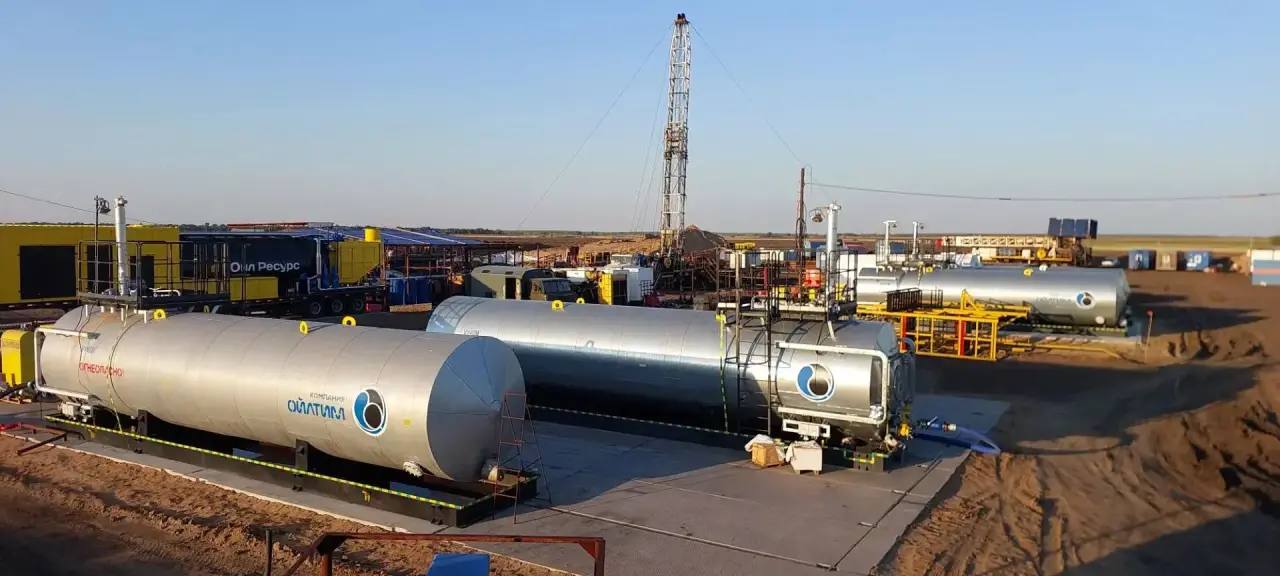 22.09.2026
Lugovskoye: skid-mounted pumping units installed for HTT
 18.09.2026

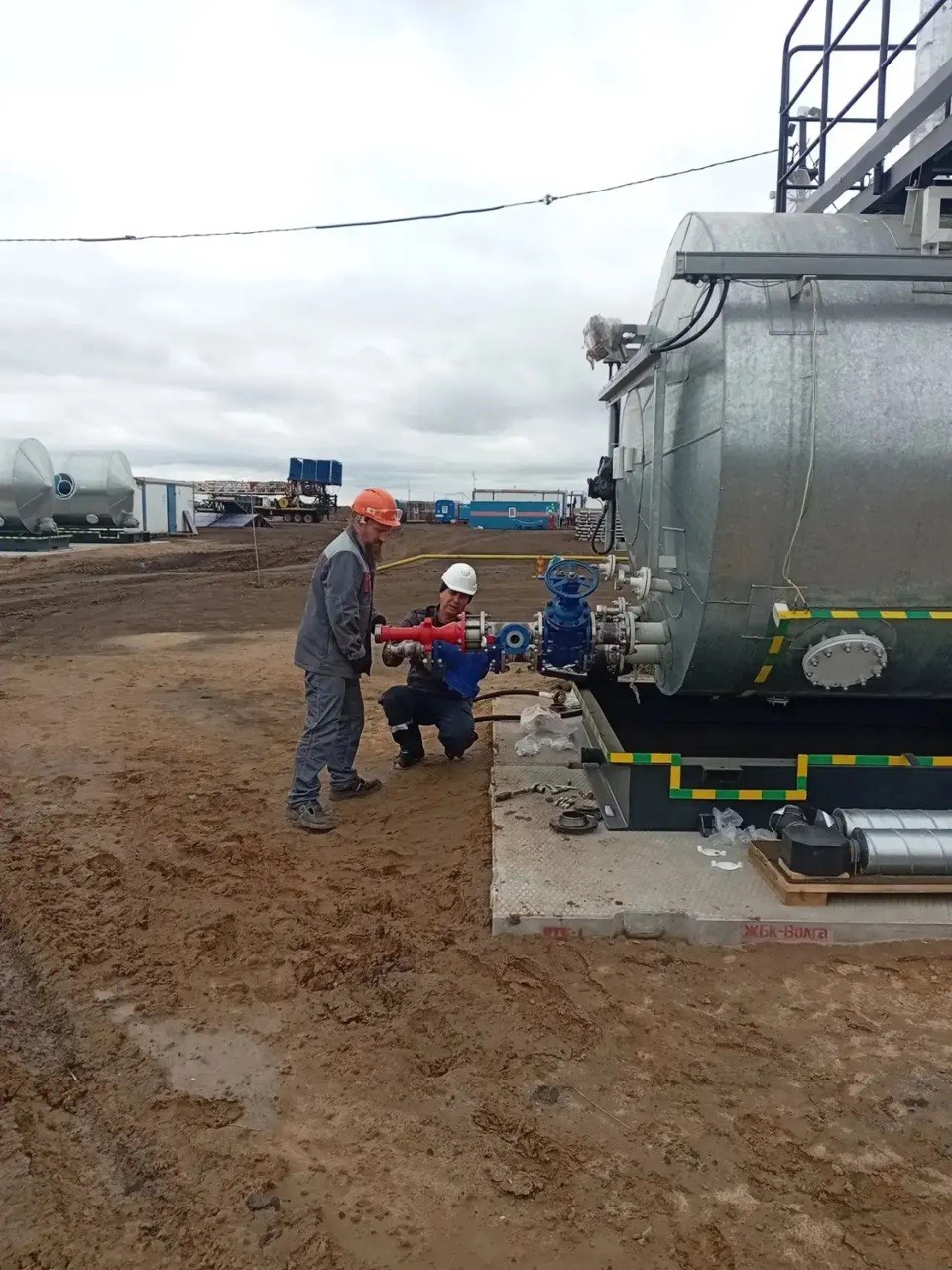

Installing and piping up the surface complex at the pilot site
 16.09.2026

Oil Resource at TNF-2026, the international industrial energy forum
 08.09.2026

Assembling the HTT Fleet: the tank farm at the pilot testing site
 18.08.2026
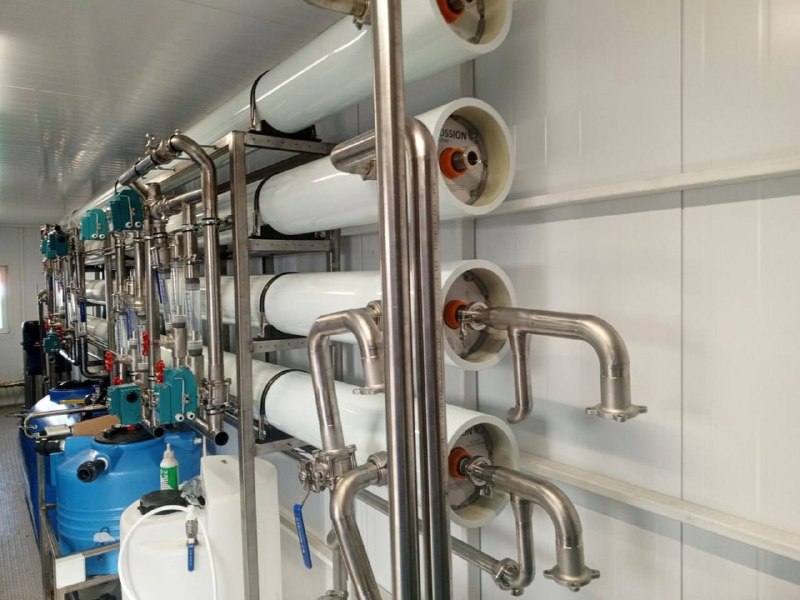
Lugovskoye: the site gears up for HTT testing
 10.08.2026
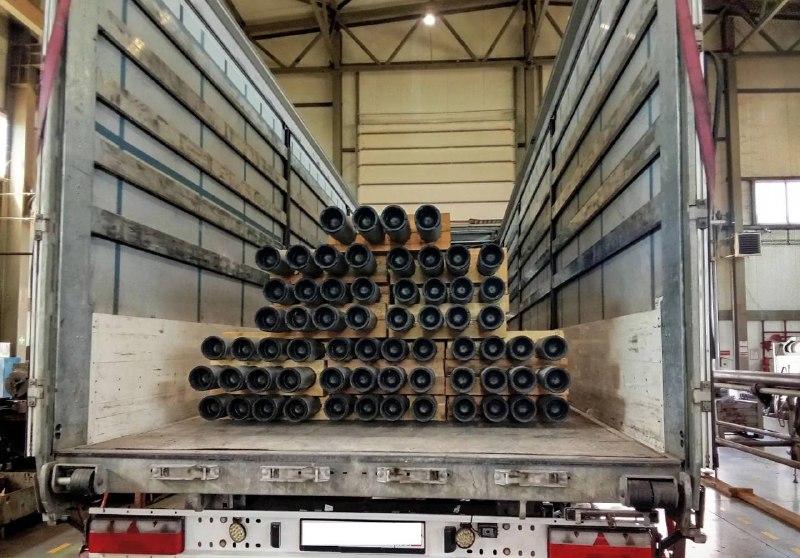
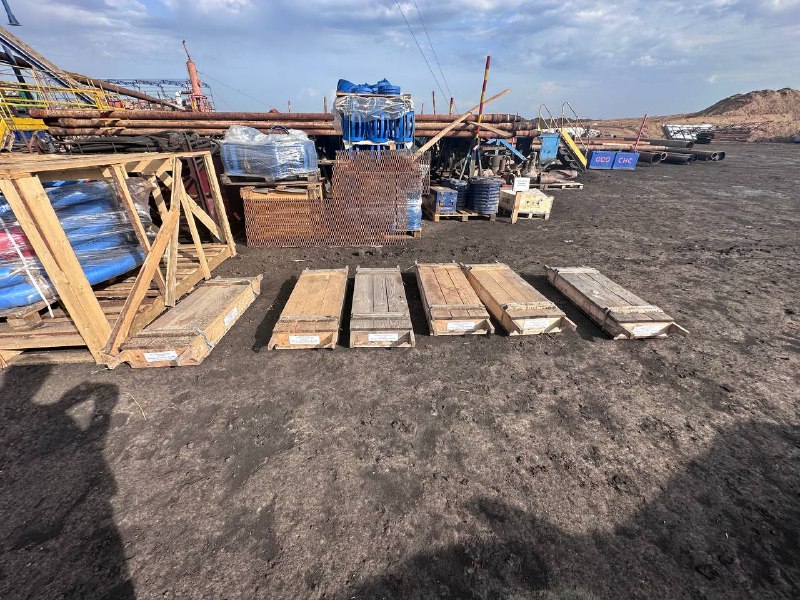
Preparations for the HTT pilot are running on schedule
 29.07.2026
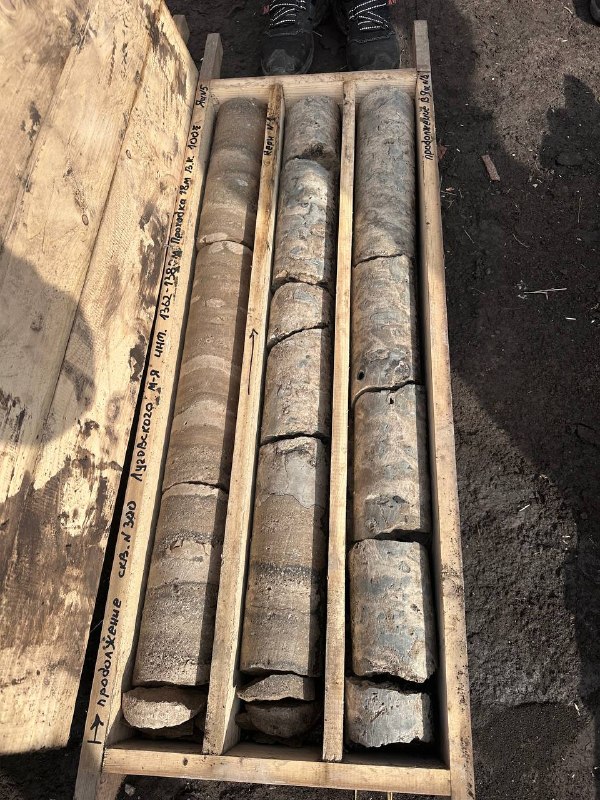
Core samples recovered at Lugovskoye and sent for laboratory analysis
 20.07.2026
Building the infrastructure for the upcoming tests
 14.07.2026
Lugovskoye: equipment installation continues
 10.07.2026
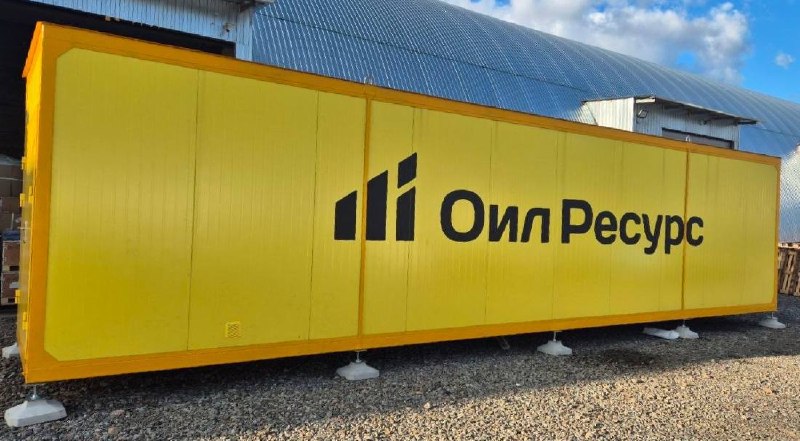
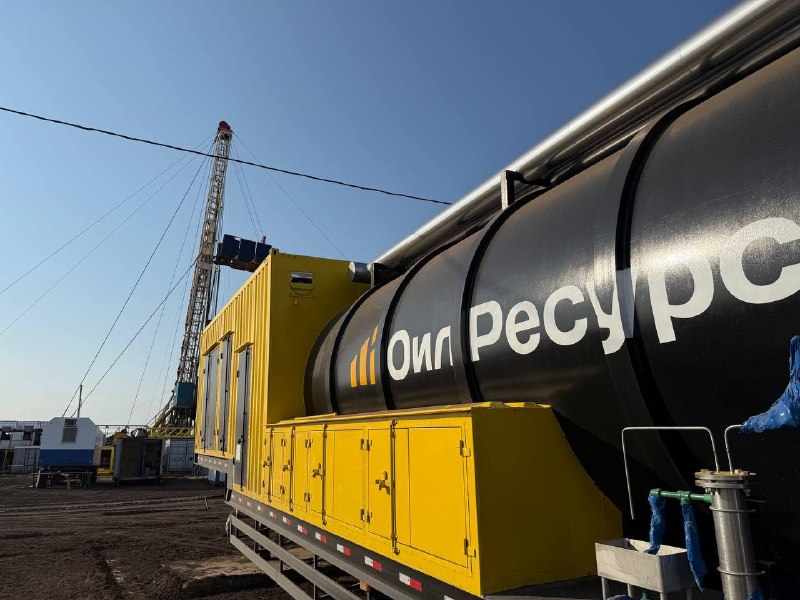
HTT Fleet: fitting out the surface complex
 07.07.2026
The HTT steam generator arrives at the Lugovskoye field
 15.06.2026
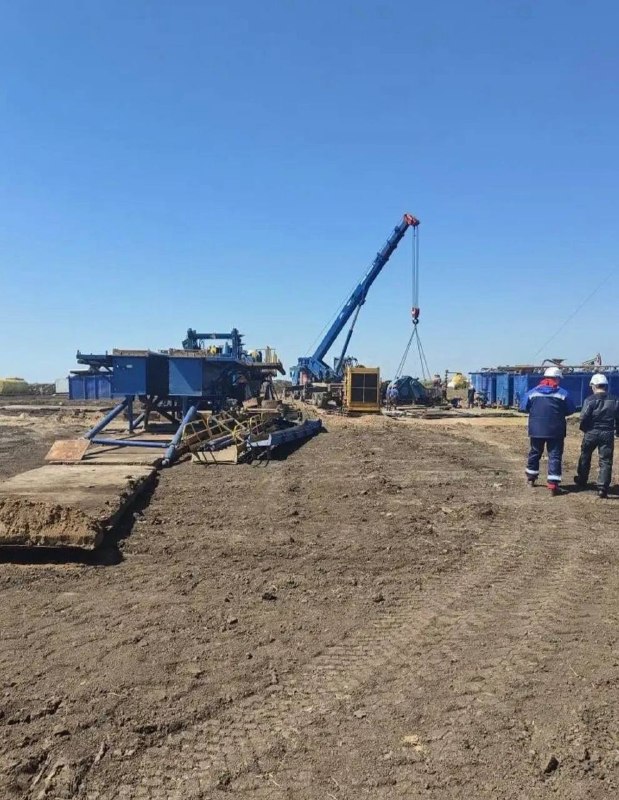
Fieldwork kicks off at Lugovskoye
 10.06.2026
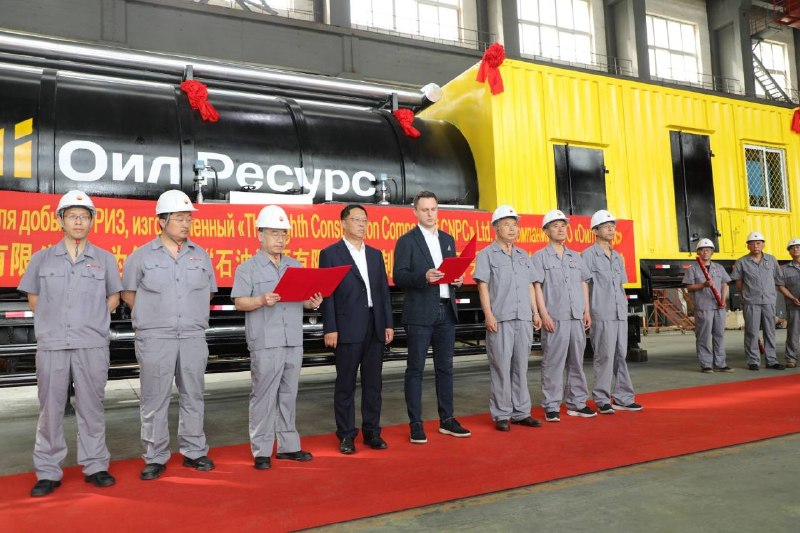
Key HTT equipment shipped to Russia
maximum incremental recovery for immature kerogen, based on reservoir simulation results
potential production uplift from hard-to-recover formations (per Skoltech and Kazan Federal University studies)
projected equipment market for
HTT by 2040
Figures are potential values based on company estimates; actual results depend on the geology of each specific field.
The Oil Resource Science & Technology Center (S&T Center) is the company’s research and development arm. Its focus: enhanced oil recovery technologies and bringing hard-to-recover (HTR) hydrocarbon reserves into profitable development.
The Center’s principal result is hydrothermal treatment technology (HTT): injecting supercritical water into the reservoir (the base working agent is membrane-grade purified water), which triggers new physical and chemical processes in the rock. The technology matches the HTR priorities of Russia’s Energy Strategy to 2050 (Annex 7, item 12).
The Center owns the full cycle — from laboratory research and equipment engineering to pilot field testing and preparation for commercial roll-out.
The technology is now being adapted to the geology of the Ural-Volga region: a license block has been acquired for testing, the well has been completed, and installation of the surface and downhole equipment is scheduled, to be followed by commissioning.
Why Oil Resource
The company develops the technology end to end and has everything needed to take it to commercial deployment.
What the Center Does
The S&T Center brings research, engineering design and field trials together into a single technology-development loop.
Key Work Streams
- Laboratory and bench studies of hydrothermal reservoir treatment
- Microfluidic studies of enhanced oil recovery methods
- Equipment development and refinement: pushing operating temperature and pressure higher
- Reservoir modeling and field validation of the models
- Pilot field testing at the company’s own producing asset
- Equipment localization and serial production in cooperation with partners
- Building a turnkey service model for deploying the technology
Leadership
The Center is run by a team of researchers and engineers led by the Deputy CEO for Technological Development.
The S&T Center is headed by Konstantin Prochukhan, Oil Resource’s Deputy CEO for Technological Development and Doctor of Technical Sciences. Under his leadership the company is developing hydrothermal treatment technology — from scientific concept and laboratory research through to industrial equipment.
A graduate of the Chemistry Faculty of Bashkir State University, he holds a PhD in Chemistry (physical chemistry, petrochemistry) and a Doctor of Technical Sciences degree (surfactant and surfactant-polymer technologies in oil production). He has authored more than 200 scientific works in chemistry, chemical engineering, geology and mining, with an h-index of 13 (RSCI) and 7 (Scopus). His work has appeared in SPE publications, Geoenergy Science and Engineering, Energies, ACS Omega, Fuel and leading Russian industry journals.
He has spent more than 15 years developing and field-deploying reservoir stimulation technologies: chemical EOR and surfactant-polymer formulations, well stimulation (BashNIPIneft), expert on the well treatment and EOR panel of Bashneft-Dobycha’s science and technology council, and thermochemical treatment of source rocks (Gazprom Neft). Since 2025 he has led Oil Resource’s hydrothermal treatment program for hard-to-recover reserves.
Flagship Technology: HTT
Hydrothermal treatment is the Center’s core project. Company estimates suggest the technology can substantially raise the oil recovery factor and multiply production from hard-to-recover formations (per Skoltech and Kazan Federal University studies).
 The S&T Center’s flagship project
Hydrothermal Treatment Technology
Membrane-grade supercritical water brings hard-to-recover reserves into production. The challenge, how the technology works, the HTT Fleet, testing at Lugovskoye and the scientific publications — all on the technology page.
Explore the technology
Partnerships
The technology is advanced together with industrial and academic partners.
In the Media
- RCC.ru: “Novak: Russia is developing a globally unmatched technology for producing hard-to-recover oil”
- TASS: on the creation of a Russian technology for producing hard-to-recover oil
- Russian Energy Week 2025: a talk on the technology at the session on science in the energy sector
- SPIEF-2026: presenting the technology portfolio and signing two cooperation agreements
- Neftegazservice-2025 conference: presenting HTT to the professional community
- A working meeting at the Tatarstan Academy of Sciences on the technology’s prospects
Questions & Answers
The Center and its work, in brief.
What is the Oil Resource S&T Center?
The Oil Resource Science & Technology Center is the company’s research and development arm. It focuses on enhanced oil recovery technologies and on bringing hard-to-recover (HTR) hydrocarbon reserves into profitable development.
What does the Center do?
The S&T Center runs the full technology-creation cycle: laboratory and bench studies, mathematical modeling, equipment engineering, pilot testing at the company’s own field, and preparation for commercial roll-out.
What is HTT?
Hydrothermal treatment technology is the Center’s flagship development: injecting supercritical water (the base working agent is membrane-grade purified water) into the reservoir to produce hard-to-recover reserves. The technology matches the HTR priorities of Russia’s Energy Strategy to 2050 (Annex 7, item 12).
Who leads the S&T Center?
The Center is headed by Konstantin Prochukhan, Oil Resource’s Deputy CEO for Technological Development, Doctor of Technical Sciences and author of more than 200 scientific works. The S&T Center comprises four units: technology development, pilot testing, engineering and design, and business engineering and analytics.
Who does the Center work with?
Partners include The Eighth Construction Company of CNPC, Ltd. (equipment manufacturing agreement); the Fuel & Energy Competence Center under the Russian Ministry of Energy (joint preparation of industry tests); Skoltech; the Higher School of Petroleum; NPF Kubanneftemash LLC; the Tatarstan Academy of Sciences; Kazan Federal University; and LABADVANS LLC, a Skolkovo Innovation Center resident (microfluidic research).
Why do hard-to-recover reserves matter so much?
Hard-to-recover reserves account for roughly 60% of total reserves, and their share keeps growing. Technologies that make these reserves profitable extend production by decades and create new equipment and oilfield-service markets.